
Vanilla bean-just the name conjures a sense of warmth, sweetness, and a touch of mystery. From the fragrant pods that dangle delicately on tropical vines to the luscious flavor that enlivens everything from ice cream to perfumes, vanilla is much more than a simple ingredient; it’s nature’s sweetest secret waiting to be discovered. But what lies behind that rich, creamy essence that captivates our senses? In this article, we embark on a journey to unlock the story of the vanilla bean-a tale of nature’s intricate craftsmanship, careful cultivation, and timeless allure. Prepare to delve into the origins, the science, and the artistry that transform humble pods into the golden treasure adored worldwide.
Unlocking vanilla bean: nature’s sweetest secret is an exploration into one of the world’s most treasured and aromatic ingredients. From the lush tropical plantations of Madagascar to the meticulous curing process that transforms humble pods into an aromatic treasure, vanilla bean’s journey is as rich and complex as its flavor. Whether you’re a seasoned chef or an inspired home cook, understanding its origins and latent potential elevates every dish into a fragrant, elegant masterpiece.
Prep and Cook Time
- Preparation: 15 minutes
- Cooking: 30 minutes
- Total Time: 45 minutes
Yield
Serves 6-8
Difficulty Level
Medium
Ingredients
- 2 whole vanilla beans, split lengthwise and seeds scraped
- 4 cups whole milk
- 1 cup granulated sugar
- 5 large egg yolks
- 1 tablespoon cornstarch
- 1 teaspoon pure vanilla extract (optional, for extra depth)
- Pinch of salt
Instructions
- Infuse the milk: In a medium saucepan, combine the whole milk with the split vanilla beans and their scraped seeds. Warm over medium heat until just simmering, stirring occasionally, then turn off the heat and let the mixture steep for 20 minutes to release those rich, warm notes.
- Prepare the custard base: In a seperate bowl, whisk together the egg yolks, sugar, cornstarch, and salt until smooth and slightly pale-this blend guarantees a silky texture.
- Temper the eggs: Slowly pour the warm vanilla-infused milk into the egg yolk mixture while whisking vigorously to prevent curdling, then return the combined mixture to the saucepan.
- Cook to thickened perfection: Over low to medium heat, stir constantly with a wooden spoon or silicone spatula, scraping the bottom to avoid scorching. Cook until the custard thickens to coat the back of your spoon-about 7-10 minutes.
- Finish and chill: Remove from heat, stir in the vanilla extract if using, then strain through a fine sieve into a clean bowl to catch any cooked egg bits. Cover with plastic wrap pressed directly onto the surface to prevent a skin from forming and refrigerate for at least 4 hours.
- Serve: Use this luscious vanilla custard as a sauce for desserts, a base for ice creams, or simply enjoy it chilled in elegant glasses.
Expert Tips for Selecting and Storing vanilla Beans for Maximum Freshness
- Selection: choose beans that are plump, oily, and dark brown to almost black. They should be supple, flexible, and emit a strong sweet aroma.
- storage: Store vanilla beans in an airtight container or vacuum-sealed pouch at room temperature, away from direct sunlight, ideally with a piece of wax paper to prevent moisture buildup.
- Longevity: Properly stored, beans can last up to two years. Avoid refrigeration as it can dry them out.
Decoding the Complex Flavor Profile of Nature’s Sweetest Secret
Vanilla bean’s flavor is an intricate symphony of sweet, floral, creamy, and woody undertones, a true gift of terroir and artisan craft. Each pod contains vanillin – the key compound responsible for its quintessential aroma - but alongside it are hundreds of trace elements that add subtle hints of spice, caramel, and even fruity notes.This complexity makes vanilla incredibly versatile, elevating everything from baked goods and custards to savory sauces and cocktails.
Innovative Ways to Incorporate Vanilla Bean Into Your Culinary Creations
- Vanilla-Infused Oils and Butters: Simmering split beans in high-quality olive oil or melted butter provides a delicate fragrance perfect for drizzling over roasted vegetables or fresh bread.
- Savory Pairings: Try vanilla with seafood like scallops or lobster, where the sweetness complements the briny richness beautifully.
- Homemade Vanilla Syrups: Combine vanilla bean seeds and pods with simple syrup to sweeten coffee, cocktails, or sparkling water naturally.
- Compound Salts: Grind dried vanilla beans with coarse sea salt to create a gourmet finishing salt that turns sweet-and-savory dishes into showstoppers.
Chef’s Notes: Tips for Success
- When splitting the bean, use the back of a knife to scrape out every last seed for maximum flavor.
- If pods become too dry,soften them by soaking in warm milk or cream before use.
- Substitute half the whole milk with heavy cream for richer texture.
- Leftover vanilla pods can be placed in sugar jars to create homemade vanilla sugar.
Serving Suggestions
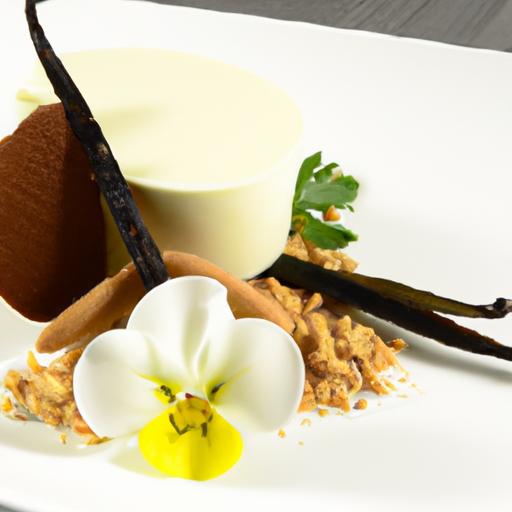
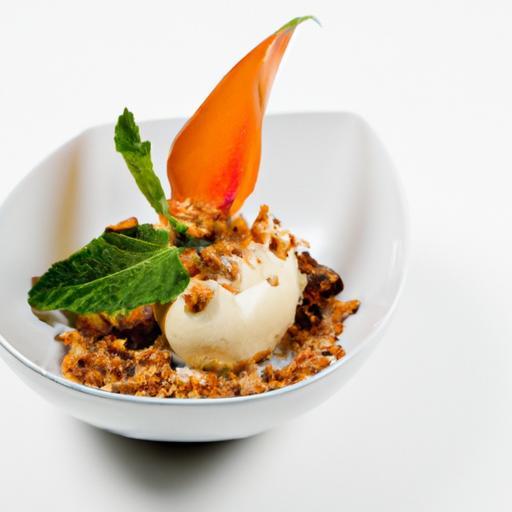
This luxurious vanilla custard shines on its own but can be elevated with fresh berries, a dusting of cinnamon, or a sprig of mint. For a stunning dessert centerpiece, layer it with toasted almond crumble and poached pears in parfait glasses. A drizzle of caramel or a sprinkle of flaky sea salt adds irresistible contrast and sophistication.

| Nutrient | Per Serving |
|---|---|
| Calories | 220 kcal |
| Protein | 5 g |
| Carbohydrates | 30 g |
| Fat | 8 g |
For more inspiring ideas on vanilla bean uses, check out our collection of vanilla bean dessert recipes. Want to dive deeper into vanilla’s history and farming practices? Visit The Vanilla Bean Facts center for expertly curated knowledge.
Q&A
Q&A: Unlocking Vanilla Bean – Nature’s Sweetest Secret Explained
Q1: What makes the vanilla bean so special compared to other flavorings?
A: Vanilla bean is nature’s original masterpiece-a tiny pod that packs an extraordinary punch of aromatic complexity. Unlike synthetic vanillin, the natural vanilla bean offers a rich symphony of over 200 flavor compounds, delivering warmth, sweetness, and subtle floral notes that dance on your palate. It’s not just a flavor; it’s an experience distilled from orchid blossoms and tropical sun.
Q2: where does vanilla bean come from?
A: Vanilla beans originate from the orchid genus Vanilla, primarily Vanilla planifolia. Native to the tropical regions of Central and South America, this delicate orchid now flourishes in Madagascar, Mexico, Tahiti, and other tropical havens.Each bean is hand-pollinated with care and patience-a testament to craft and nature working hand in hand.
Q3: How is the unique vanilla flavor developed? Is it immediate?
A: The magic doesn’t happen overnight.Freshly harvested vanilla beans are green and almost flavorless.Through a meticulous curing process that can last several months-comprised of blanching, sweating, drying, and conditioning-the vanilla pods transform.This natural alchemy awakens the beans’ complex bouquet of flavors, unlocking the signature sweet, smoky, and creamy layers vanilla lovers crave.
Q4: What exactly is vanillin, and how does it relate to real vanilla beans?
A: Vanillin is the primary compound responsible for vanilla’s iconic scent and flavor. While synthetic vanillin-inexpensive and mass-produced-captures this note, natural vanilla beans contain vanillin alongside hundreds of other flavor molecules. This harmonious blend creates depth and nuance that make real vanilla a “sweetest secret” far beyond the reach of artificial substitutes.
Q5: Can vanilla beans be used beyond baking and desserts?
A: Absolutely! Vanilla’s enchanting aroma has long been cherished beyond the kitchen. It features in perfumes, aromatherapy, and even conventional medicines. Its soothing scent invokes warmth and comfort, making vanilla a beloved ingredient in candles, lotions, and wellness products-proving this bean’s secret is truly as sweet in scent as in taste.
Q6: How should one store vanilla beans to preserve their magic?
A: Vanilla beans are living treasures that thrive best when kept in a cool,dark place wrapped loosely in parchment paper or stored in an airtight container. Avoid refrigeration, which can dry them out prematurely. Proper storage preserves their moisture and aromatic oils, keeping your vanilla fresh and potent for many months.
Q7: What’s the best way to use vanilla beans in cooking?
A: To harvest the full depth of vanilla, carefully split the pod lengthwise to reveal the tiny black seeds inside-the “caviar” of vanilla. Scrape these seeds directly into your recipe for an intense burst of flavor. The pod itself can be simmered in liquids like cream or milk to infuse dishes with subtle vanilla warmth. This hands-on approach honors vanilla’s natural essence.
Q8: Why is vanilla one of the most expensive spices in the world?
A: Vanilla’s price reflects its intricate journey-from delicate orchid blooms that must be pollinated by hand, to labor-intensive curing processes and the fragile nature of its growing conditions.Susceptible to weather and pests, vanilla requires patience and skilled craftsmanship, making it a rare and precious flavor jewel worth every penny.
Unlocking the vanilla bean reveals more than flavor-it invites you into a world of natural wonder, artisanal tradition, and a sensory story centuries in the making. Next time you savor vanilla’s sweet embrace, remember it’s not just an ingredient-it’s nature’s sweetest secret unveiled.
Concluding Remarks
As we peel back the layers of the vanilla bean, what emerges is much more than just a simple flavoring-it’s a vibrant story of nature’s ingenuity and human curiosity intertwined. From its delicate orchid origins to its complex chemical symphony that delights our senses, vanilla stands as a testament to the hidden wonders waiting to be discovered in the natural world. Next time you savor that rich, comforting aroma or taste the subtle sweetness in your favorite treat, remember: you’re experiencing a secret cultivated over centuries, a true gift from nature’s sweetest mystery unlocked.