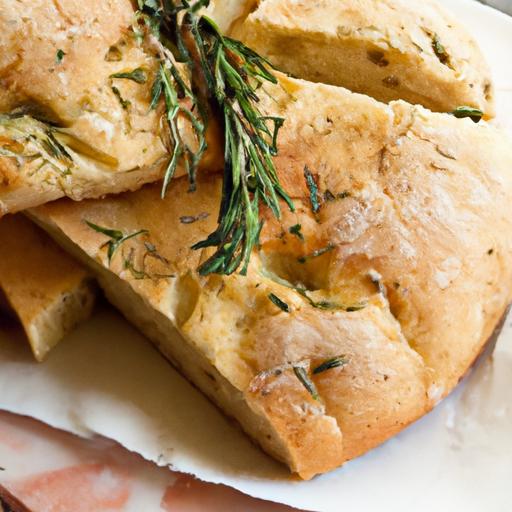

there’s something undeniably enchanting about the warm embrace of freshly baked bread-the way its fragrance fills the air,inviting you to pause and savor a simple,timeless pleasure. Rustic Rosemary Focaccia bread captures this magic with every golden, herb-speckled bite. Rooted in centuries-old Italian tradition,this artisan loaf marries the earthy essence of rosemary with a tender,olive oil-kissed crumb,creating a sensory experience where aroma meets flavor in perfect harmony. in this article, we’ll uncover the secrets behind crafting this rustic favorite and explore how its humble ingredients come together to elevate everyday baking into an art form.
Rustic Rosemary Focaccia Bread is a timeless artisan delight that infuses the earthy charm of fresh herbs with a golden,airy crumb,making each bite a celebration of simple,authentic flavors. Originating from the Ligurian coast of Italy, this bread has won the hearts of bakers and food lovers alike for its characteristic rustic appearance, fragrant bursts of rosemary, and a crust that crackles delicately under your fingertips. Whether baked for a casual gathering or a refined meal, mastering this dough opens the door to an aromatic symphony that elevates everyday bread into a culinary masterpiece.
Prep and Cook Time
- Planning: 20 minutes
- First Rise: 1 hour 30 minutes
- Second Rise: 40 minutes
- Baking: 25 minutes
- Total Time: Approximately 3 hours
Yield
1 large focaccia (serves 6-8 as a side)
Difficulty Level
Medium – Ideal for bakers ready to explore artisan techniques with approachable guidance.
Ingredients
- 3 ½ cups all-purpose flour, sifted
- 1 ¼ cups warm water (about 100°F/38°C)
- 2 tsp active dry yeast
- 1 tbsp granulated sugar
- 2 tsp fine sea salt
- ¼ cup extra virgin olive oil, plus extra for drizzling and brushing
- 2 tbsp fresh rosemary leaves, finely chopped
- Coarse sea salt, for sprinkling
instructions
- Activate the yeast: Combine the warm water, sugar, and active dry yeast in a bowl. Stir gently and let it sit for 5-10 minutes until it becomes frothy, signaling the yeast is alive and ready.
- Make the dough: In a large mixing bowl, whisk together the flour and salt. Create a well in the center and pour in the frothy yeast mixture and ¼ cup olive oil. Stir with a wooden spoon until the dough begins to come together.
- Knead: Transfer the dough to a lightly floured surface and knead for about 8-10 minutes until it becomes smooth and elastic. For a softer dough, you may use a stand mixer fitted with a dough hook for 6 minutes on medium speed.
- First rise: Lightly oil a clean bowl. Place the dough inside, turning once to coat with oil. Cover with a damp cloth or plastic wrap and let it rise in a warm spot for 1 hour 30 minutes, or until doubled in size.
- prepare the pan: Drizzle a generous amount of olive oil on a large baking sheet or focaccia pan and spread evenly to coat the base.
- Shape and second rise: Gently transfer the risen dough onto the oiled pan. Using your fingertips, press the dough outwards to fill the pan, creating deep dimples by pressing firmly but gently. Sprinkle the chopped rosemary and coarse sea salt evenly across the top. Cover loosely and let it rest for 40 minutes until puffy and inviting.
- Preheat: Heat your oven to 450°F (230°C) about 15 minutes before baking to ensure an intense, even heat.
- Bake: Place the focaccia in the oven’s center rack. Bake for 22-25 minutes until the crust turns a deep golden brown, crisp, and fragrant.The aroma of fresh rosemary will fill your kitchen, signaling it’s done.
- Finishing Touch: Once out of the oven, immediately brush the surface with a bit more olive oil for a luscious sheen and sprinkle an extra pinch of coarse sea salt to enhance flavor contrast. Allow to cool slightly before slicing.
Tips for Success
- Hydration is key: Rustic rosemary focaccia bread thrives on a wetter dough for that characteristic airy crumb – don’t let the dough dry out while rising.
- Fresh rosemary vs.dried: Fresh herbs provide a vibrant aroma and soft texture; if using dried,reduce quantity to 1 tablespoon and add some to the olive oil drizzle for infusion.
- Press those dimples: Creating generous indentations traps olive oil and rosemary, ensuring bursts of flavor and the signature moist crust.
- Make ahead: Dough can be refrigerated overnight after the first rise. Bring to room temperature before the second rise to intensify flavor complexity.
- Experiment with toppings: Add thinly sliced red onions, cherry tomatoes, or olives for colorful, savory variations that pair beautifully with the rosemary base.
Serving Suggestions
Elevate your rustic rosemary focaccia bread by serving it warm, brushed with extra olive oil and paired with a small bowl of aged balsamic vinegar for dipping. Garnish with sprigs of fresh rosemary atop the serving platter for striking visual appeal and added fragrance. Pair alongside a vibrant mixed green salad or robust soups like Minestrone for a delightful,balanced meal. Leftover focaccia is also perfect toasted with a smear of creamy ricotta or tucked into a sandwich with prosciutto and arugula for a Mediterranean-inspired lunch treat.
| Nutrient | Per Serving (1/8 of focaccia) |
|---|---|
| Calories | 220 kcal |
| Protein | 5 g |
| Carbohydrates | 30 g |
| Fat | 7 g |

For further exploration on artisan bread baking techniques, visit our Artisan Bread Basics. To deepen your knowledge on the medicinal benefits and culinary uses of rosemary, check out this NCBI article.
Q&A
Q&A: Rustic Rosemary Focaccia Bread – Aroma Meets Artisan Flavor
Q1: What makes Rustic Rosemary Focaccia bread so special?
A1: Rustic Rosemary Focaccia is more than just bread-it’s an aromatic journey. Its special charm lies in the marriage of fragrant fresh rosemary with a chewy, golden crust and airy crumb. This simple yet luscious combination evokes the essence of artisanal Italian baking, where every bite bursts with herbal warmth and rustic character.
Q2: How does rosemary influence the flavor of focaccia?
A2: Rosemary acts as the fragrant muse of focaccia. Its piney, slightly peppery notes infuse the dough during baking, releasing aromatic oils that elevate the bread’s flavor profile. The herb’s robust earthiness contrasts beautifully with the subtle sweetness of the olive oil and the bread’s tender crumb, creating a harmonious balance.
Q3: Why is focaccia considered an artisanal bread?
A3: Focaccia’s artisanal reputation stems from its handmade, rustic nature and straightforward yet thoughtful ingredients. The dough frequently enough undergoes a slow fermentation, allowing natural flavors and textures to develop. Its uneven, dimpled surface-imprinted by fingers before baking-is a signature hallmark of craft and care, making each loaf uniquely stunning.
Q4: What role does olive oil play in Rustic Rosemary Focaccia?
A4: Olive oil doesn’t just enrich the dough; it’s the golden elixir that imparts moisture, tenderness, and a lush, fruity depth. Brushed generously over the dough before baking, it fosters a crispy crust with a subtle sheen, and carries the rosemary’s aroma, helping scent the kitchen and tantalize the senses.
Q5: Can Rustic Rosemary Focaccia be customized with other ingredients?
A5: Absolutely! While rosemary is the star herb, focaccia is a versatile canvas. You might add caramelized onions, sun-dried tomatoes, olives, or flaky sea salt to add complexity and texture. Each addition layers in new flavor notes while maintaining that beloved rustic charm.
Q6: What’s the best occasion to enjoy Rustic Rosemary Focaccia?
A6: Rustic Rosemary Focaccia shines anytime-from casual family dinners to elegant gatherings. It pairs wonderfully with soups, salads, cheeses, or as a flavorful base for sandwiches. But honestly,it’s equally delightful enjoyed fresh from the oven on its own,inviting you to savor the simple artistry of breadmaking.
Q7: Is making Rustic Rosemary Focaccia difficult for beginners?
A7: Not at all! Rustic Rosemary Focaccia is surprisingly approachable. Its forgiving dough and minimal ingredients make it ideal for novice bakers. Even if your first loaf isn’t perfectly uniform, the inviting aroma and satisfying taste will feel like a warm embrace-proof that rustic bread is about heart as much as technique.
Q8: How should Rustic Rosemary Focaccia be stored to preserve its flavor and texture?
A8: Best enjoyed fresh and warm, focaccia can be stored wrapped in a clean kitchen towel at room temperature for up to two days without losing its charm. To revive its texture, a brief warm-up in the oven crisps the crust and refreshes the fragrant rosemary aroma, bringing back that artisan touch. For longer storage, slicing and freezing is always an option.
Q9: What inspires the rustic aesthetic of rosemary focaccia bread?
A9: The rustic look reflects a return to simplicity and authenticity-celebrating handmade, imperfect beauty over mass-produced uniformity.The herb-studded, dimpled surface, kissed by golden oil and sprinkled with coarse salt, invites a sensory experience that connects us to tradition, nature, and the warmth of the hearth.
With its emotive aroma and timeless flavor, Rustic Rosemary Focaccia bread truly embodies where rustic charm meets artisan craftsmanship-making every bite an homage to the art of slow baking and heartfelt simplicity.
The Conclusion
As the inviting scent of rosemary and olive oil lingers in the air,Rustic Rosemary Focaccia Bread reminds us that baking is more than just a culinary task-it’s an artful dance of aroma and flavor. This humble yet complex bread elevates everyday meals, bridging the gap between rustic tradition and artisan craftsmanship. Whether shared with loved ones or savored in quiet moments,its golden crust and herb-kissed crumb offer a sensory journey that celebrates both simplicity and elegance. Embrace the timeless charm of focaccia, and let each bite transport you to sun-dappled Italian kitchens where flavor and fragrance unite in perfect harmony.