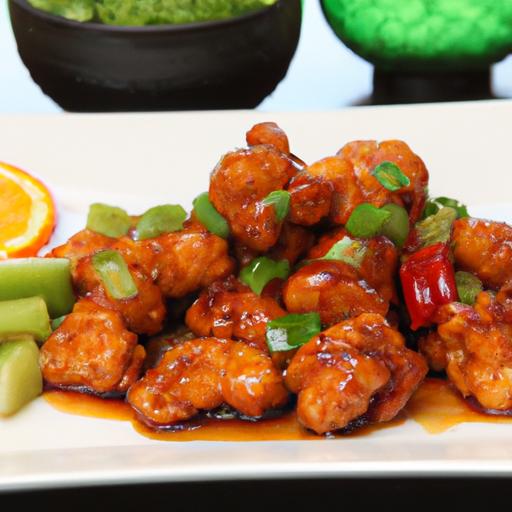

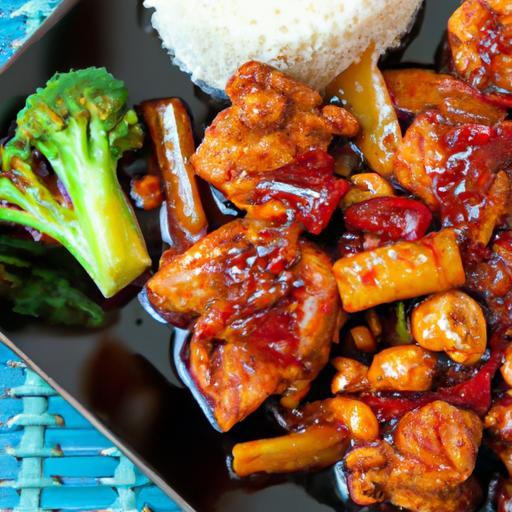
Crisp on the outside, tender on the inside, and coated in a sticky, sweet-spicy glaze that dances on the tongue-General Tso’s Chicken is a dish that has become synonymous with American-Chinese cuisine. Yet behind this beloved plate lies a interesting tapestry of history, flavor evolution, and cultural intrigue that few truly understand. From its murky origins to its rise as a global comfort food, General Tso’s Chicken offers more than just a satisfying meal; it tells a story of culinary adaptation, cross-cultural exchange, and the ever-changing palate of a world hungry for bold tastes. Join us as we peel back the layers of this iconic dish to explore where it came from, what makes it so irresistibly delicious, and how it came to captivate the imaginations-and appetites-of millions.
General Tso’s Chicken occupies a unique space in Chinese-American cuisine, celebrated for its harmonious balance of sweet, tangy, spicy, and savory notes. Rooted in Hunan province flavors yet reimagined in Western kitchens, this dish’s vibrant history and unforgettable taste make it a beloved comfort food worldwide. Preparing this iconic recipe at home unlocks not only bold flavors but also a deeper connection to the evolution of culinary traditions.
Prep and Cook Time
- Planning: 20 minutes
- Cooking: 15 minutes
- Total Time: 35 minutes
Yield
- Serves 4 generous portions
Difficulty Level
- medium – requires attention to timing and sauce consistency
Ingredients
- For the Chicken:
- 1 lb (450g) boneless, skinless chicken thighs, cut into bite-sized pieces
- 1 cup all-purpose flour, sifted
- 1/2 cup cornstarch
- 2 large eggs, beaten
- Salt and freshly ground black pepper, to taste
- Vegetable oil, for deep frying
- For the Sauce:
- 3 tbsp soy sauce
- 2 tbsp rice vinegar
- 2 tbsp hoisin sauce
- 3 tbsp sugar
- 1/4 cup chicken broth
- 1 tbsp cornstarch mixed with 2 tbsp cold water (slurry)
- 2 clove garlic, minced
- 1 tsp fresh ginger, finely grated
- 1-2 dried red chilies (adjust to heat preference)
- 2 tsp toasted sesame oil
- For Garnish:
- 2 scallions, thinly sliced
- 1 tbsp toasted sesame seeds
Instructions
- Prepare the Chicken: Season the chicken pieces with salt and pepper. In a shallow bowl, combine the all-purpose flour and cornstarch. Dip each piece into the beaten eggs, then dredge thoroughly in the flour mixture. Set aside on a baking sheet.
- Heat oil: Fill a deep wok or heavy pot with about 2 inches of vegetable oil. Heat to 350°F (175°C). Use a thermometer for accuracy to ensure crispy, evenly cooked chicken.
- Fry the Chicken: Fry the chicken pieces in batches, careful not to overcrowd the pan. Fry each batch until golden brown and cooked through, about 4-5 minutes. Drain on paper towels.
- Make the Sauce: In a medium skillet or wok over medium heat, add a dash of oil, then sauté minced garlic, ginger, and dried chilies until fragrant, about 30 seconds.
- Combine Sauce Ingredients: Add soy sauce, rice vinegar, hoisin sauce, sugar, and chicken broth. Stir well and bring to a gentle simmer.
- Thicken Sauce: Stir in the cornstarch slurry gradually while stirring until the sauce thickens and becomes glossy, about 2 minutes. Remove chilies if desired to control heat.
- Toss Chicken with Sauce: Add the fried chicken back into the pan. Toss swiftly to coat each piece evenly with the sauce. Drizzle toasted sesame oil on top for added flavor depth.
- Serve: Transfer to a serving dish and garnish with scallions and toasted sesame seeds for a vibrant finish.
Tips for Success
- Crispier Chicken: Double-dip the chicken pieces in the egg and flour mixture for an extra crunchy bite.
- Control Sweetness and Heat: Adjust sugar and dried chili quantities to your taste. Use fresh chili for added zing.
- Make Ahead: Sauce can be prepared in advance and reheated. Fry chicken just before serving to preserve crisp textures.
- Substitutions: Light soy sauce can replace regular for a milder sodium profile. For gluten-free, swap the flour for rice flour and use tamari instead of soy.
- Wok Tips: Maintain medium-high heat to keep sauce from becoming too thick or burnt – stir constantly when adding the cornstarch slurry.
Serving Suggestions
For an authentic experience, serve General Tso’s Chicken over fragrant steamed jasmine rice or alongside garlic-infused stir-fried greens like bok choy or Chinese broccoli. garnish with fresh scallions and a sprinkle of toasted sesame seeds for color and texture contrast. To elevate the presentation, use a wide shallow bowl and drizzle with additional sauce just before serving, inviting rich aromas to waft through the air.
| nutrient | Per Serving |
|---|---|
| Calories | 480 kcal |
| Protein | 32 g |
| carbohydrates | 42 g |
| Fat | 18 g |
Related Recipe: Explore more bold and savory Chinese-American dishes like crispy Orange Beef to complement your culinary repertoire.
For those interested in the ancient and culinary context, the encyclopedia Britannica’s guide to Chinese cuisine offers a deep dive into regional variations and influences.

Q&A
Q&A: General Tso’s Chicken – Origins, Flavor, and Cultural Impact
Q1: What exactly is General Tso’s Chicken?
General Tso’s Chicken is a beloved Chinese-American dish featuring crispy, deep-fried chicken pieces tossed in a tangy, sweet, and slightly spicy sauce. It’s frequently enough garnished with steamed broccoli and served over white rice, making it a staple in Chinese restaurants across the United States and beyond.
Q2: Who was General Tso, and how is he connected to this dish?
General Tso refers to Zuo Zongtang (often romanized as Tso Tsung-t’ang), a 19th-century Qing Dynasty military leader famed for his efforts in quelling rebellions. Though, there’s no historical evidence that he actually created or even ate this dish. The connection is more nominal than culinary-a name borrowed likely to evoke a sense of Chinese heritage and prestige.
Q3: Where did General Tso’s Chicken actually originate?
Despite its name, General Tso’s Chicken is largely considered an American invention, crafted by Chinese immigrants to appeal to Western palates. The dish’s origins trace back to New York in the 1970s, credited to chefs like Peng Chang-kuei, who adapted traditional Hunan cuisine flavors into a sweeter, deep-fried form that resonated with diners in the U.S.
Q4: What makes the flavor of General Tso’s Chicken so distinctive?
The appeal lies in its balance of contrasting flavors. The sauce melds sweet, savory, tangy, and spicy elements. A blend of soy sauce, sugar, garlic, ginger, rice vinegar, and chili peppers creates a rich glaze that clings to the crunchy, battered chicken.This harmony makes each bite an exciting dance of textures and tastes.
Q5: Has General Tso’s Chicken evolved over time?
Absolutely.While the core flavor profile remains consistent, modern versions sometimes incorporate diffrent protein options like tofu or cauliflower for vegetarian twists. regional adaptations have also emerged, varying in spice level and sweetness. Its widespread popularity has made it a canvas for culinary creativity.
Q6: Why has General Tso’s Chicken become so culturally notable?
The dish represents more than just a meal; it’s a symbol of cultural fusion and immigrant ingenuity.It showcases how Chinese cuisine has been transformed and reimagined abroad, reflecting the blending of traditions. For many, it’s an introduction to Chinese flavors and a nostalgic comfort food that bridges cultures.
Q7: Can General Tso’s Chicken be found in China?
Interestingly, authentic General Tso’s Chicken is rare in mainland China.The dish is more of an export product than a domestic favourite. However, some restaurants in major Chinese cities offer it as part of menus aimed at tourists or to showcase Chinese-American culinary trends.
Q8: How can one make an authentic General Tso’s Chicken at home?
To recreate it, start with bite-sized chicken thighs or breasts, marinated briefly and fried to a golden crunch. The sauce is key-combine soy sauce, hoisin, rice vinegar, sugar, garlic, ginger, and a touch of chili for heat. Toss the chicken in the sauce until glossy and serve it over steamed rice with a side of broccoli for that classic experience.
Q9: What lessons does the story of General Tso’s Chicken teach us about food and culture?
general Tso’s Chicken reminds us that food is dynamic and alive,continuously evolving through migration and adaptation.It illustrates how cultural identity can be preserved and transformed in new environments. Ultimately, it’s a delicious testament to the creativity and resilience of immigrant communities shaping global cuisine.
Whether you savor it as a guilty pleasure or a culinary curiosity, General Tso’s Chicken is a flavorful chapter in the story of cultural exchange-crispy, sweet, and undeniably iconic.
Closing Remarks
From its mysterious beginnings to its beloved status on menus worldwide, General Tso’s Chicken tells a story far richer than its crispy, saucy exterior suggests. More than just a dish, it embodies the dynamic fusion of culinary tradition and innovation, bridging cultures and palates across continents.As each bite delivers a harmonious blend of sweet, spicy, and savory notes, we’re reminded that food is not only nourishment but also a flavorful narrative-one that invites us to explore history, identity, and connection through every mouthwatering morsel. Whether you encounter General Tso’s Chicken in a bustling city or a quiet neighborhood spot, its legacy continues to thrive, inviting new generations to savor the delectable complexities of a dish that’s as culturally significant as it is indeed irresistibly tasty.