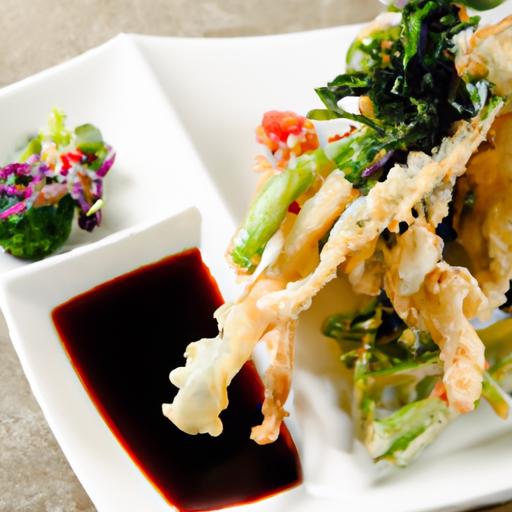


There’s something undeniably enchanting about teh first bite of vegetable tempura: a delicate crunch that gives way to tender, vibrant vegetables cloaked in a light, golden batter. This culinary masterpiece, born from centuries of Japanese tradition, transforms humble garden produce into an orchestra of textures and flavors. “Crispy Delight: Exploring the Art of Vegetable Tempura” invites you on a journey beyond the kitchen, unraveling the secrets behind achieving that perfect crisp and unveiling the cultural artistry that elevates tempura from simple fried food to an elegant experience. Whether you’re a curious home cook or a seasoned foodie, prepare to discover how technique, ingredients, and a touch of patience come together to craft this unforgettable crispy delight.
crispy Delight tempura showcases a beautiful harmony of texture and flavor,elevating everyday vegetables into an irresistible feast. Originating from Japan’s Edo period, this classic method of frying delicate vegetable slices in a light batter captures the essence of freshness and crispiness in every bite. As a longtime enthusiast of culinary arts and food styling, I’ve found that perfecting the batter and selecting vibrant, seasonal produce are key to transforming your tempura into a visually stunning and mouthwatering creation.
Prep and Cook Time
- Preparation: 15 minutes
- Cooking: 10 minutes
- Total Time: 25 minutes
Yield
Serves 4 as an appetizer or side dish
Difficulty Level
Medium – ideal for those familiar with frying techniques but approachable for adventurous beginners
Ingredients
- 1 cup all-purpose flour,sifted
- ½ cup cornstarch
- 1 tsp baking powder
- 1 cup ice-cold sparkling water
- 1 large egg,lightly beaten
- Assorted seasonal vegetables:
- ½ cup thinly sliced sweet potato
- ½ cup sliced shiitake mushrooms
- ½ cup green beans,trimmed
- ½ cup asparagus spears
- ½ cup bell pepper strips
- Vegetable oil for deep frying (about 4 cups)
- Sea salt for finishing
- Tempura dipping sauce (Tentsuyu):
- ½ cup dashi broth
- 3 tbsp soy sauce
- 2 tbsp mirin
Instructions
- prepare vegetables: Wash and pat dry all vegetables thoroughly.Slice evenly to ensure even cooking.Keep them chilled untill ready to fry for optimal texture.
- Make the batter: In a large bowl,lightly whisk the egg and then mix with the ice-cold sparkling water. Gradually sift in flour, cornstarch, and baking powder. Stir gently just until combined – lumps are welcome to keep the batter airy and crisp.
- Heat oil: In a heavy-bottomed pot or deep fryer, heat the vegetable oil to 340°F (170°C). Use a thermometer for precise temperature control to avoid oily, soggy tempura.
- Fry vegetables: Working in small batches, dip vegetable slices into the batter, letting excess drip off. Gently lower into hot oil. Fry until pale golden and crisp, about 2-3 minutes. Turn occasionally to cook evenly.
- Drain and season: Remove tempura with a slotted spoon and drain on paper towels. While still hot, sprinkle lightly with sea salt to enhance flavor.
- Prepare sauce: Warm the dipping sauce ingredients in a small saucepan just before serving.
- Serve immediately: Arrange tempura on a beautiful platter,garnish with lemon wedges or grated daikon radish alongside the dipping sauce for an enticing presentation.
Mastering Frying Techniques for Light and Crunchy Results
Temperature control is critical – maintaining the oil at roughly 340°F prevents oil absorption for that signature crispy delight crunch. Avoid overcrowding your pot, wich causes temperature drops and sogginess. Also, using ice-cold sparkling water in the batter introduces tiny bubbles, creating air pockets in the coating for the perfect lightness. Remember, resist over-mixing the batter to keep those bubbles intact.
Tips for Success and Variations
- Use seasonal vegetables to highlight freshness and vibrant color – items like kabocha squash or shiitake mushrooms vary wonderfully with seasons.
- For gluten-free options, substitute all-purpose flour with a rice flour blend and check your dashi for gluten-free certification.
- Leftover batter can be chilled for 30 minutes but avoid extended resting to maintain carbonation.
- If frying multiple batches, keep finished tempura warm on a wire rack in a moderately heated oven (200°F) to retain crispiness.
- Try spicing the dipping sauce with grated ginger or a hint of yuzu for a citrus twist.
Serving Suggestions to Impress Every guest
Present your crispy delight vegetable tempura atop a bamboo mat or rustic ceramic plate for authentic flair. Garnish liberally with fresh shiso leaves or microgreens for color contrast. Accompany with dipping sauce served in small bowls, a wedge of lemon or a sprinkle of toasted sesame seeds for added aroma. Pair with a chilled sake or a light fennel-infused salad to elevate the entire dining experience.

| nutrient | Per Serving |
|---|---|
| Calories | 210 kcal |
| Protein | 4 g |
| Carbohydrates | 28 g |
| Fat | 9 g |
For more inspiration on seasonal vegetable pairings and Japanese frying techniques, check out our Ultimate Guide to Seasonal Vegetables. to deepen your knowledge of tempura origins and science, this Japanese Cooking 101: Tempura History is an excellent resource.
Q&A
Q&A: Crispy Delight – Exploring the Art of Vegetable Tempura
Q1: What is vegetable tempura, and why is it so beloved?
A: Vegetable tempura is a classic japanese dish were fresh vegetables are lightly battered and deep-fried to achieve a golden, airy crispness.Its charm lies in the perfect harmony between the delicate, crisp batter and the natural sweetness or earthiness of the vegetables inside. This contrast creates a textural symphony that elevates everyday veggies into a delightful culinary experience.
Q2: How does tempura batter differ from other frying batters?
A: tempura batter is famously simple yet precise – typically just cold water, flour, and sometimes a touch of egg. The secret is maintaining a cold temperature and minimal mixing, which keeps gluten formation low.This results in a light, crackly crust that’s less greasy and more ethereal than heavier batters, allowing the vegetable’s flavor to shine through without being overwhelmed.
Q3: Which vegetables make the best tempura candidates?
A: The best tempura veggies boast firm textures and subtle flavors that complement the batter. Classics include sweet potatoes,kabocha squash,shiitake mushrooms,green beans,eggplant,and bell peppers. Seasonal picks like asparagus, lotus root, and pumpkin also add variety and vibrant color, offering a visual feast alongside the crispy crunch.
Q4: Is there an art to frying tempura beyond just dipping and cooking?
A: Absolutely! Temperature control is crucial; the oil should be hot enough (around 170-180°C or 340-360°F) to cook quickly without absorbing excess oil. Dipping the vegetables briefly-never over-soaking the batter-ensures a light coat. Fry in small batches to avoid crowding, keeping the oil temperature steady and the batter crisp. The rhythm of batter, oil, and timing is what transforms simple ingredients into tempura perfection.
Q5: How is vegetable tempura traditionally served?
A: Traditionally,tempura is served with a dipping sauce called tentsuyu-a delicate broth of dashi,soy sauce,and mirin-accompanied by grated daikon radish for freshness. It’s often enjoyed over steamed rice or alongside soba or udon noodles. The dipping enhances the subtle flavors and adds a gentle umami note, completing the sensory experience.
Q6: Can tempura be enjoyed beyond Japanese cuisine?
A: Certainly! The technique’s versatility invites creative twists-from dipping spices or herbs in the batter to experimenting with global vegetables and root vegetables. Vegetable tempura’s light, crispy nature pairs wonderfully with dips ranging from classic soy-based sauces to spicy aiolis or tangy citrus dressings. It’s a canvas for innovation, inviting chefs and home cooks alike to explore new frontiers of crunch.
Q7: What’s the best way to enjoy leftover tempura?
A: Tempura is best savored immediately to preserve its crisp magic. However, if you must save some, gently reheat in a hot oven or air fryer rather than a microwave to revive the crunch without sogginess. Avoid airtight storage if possible, as humidity softens the delicate batter. Ultimately, tempura’s fleeting crispness is a tasty reminder to eat mindfully and share the joy fresh from the fryer.
Embrace the art of vegetable tempura, where simple ingredients meet culinary finesse to create a dish that’s as joyful to eat as it is beautiful to behold. Crispy delight, indeed!
Concluding remarks
As the final golden batter crisps to perfection and the vibrant vegetables emerge from their sizzling bath, we begin to truly appreciate the delicate artistry behind vegetable tempura. This crispy delight is more than just a dish; it is a harmonious dance of texture, flavor, and tradition that invites both seasoned chefs and curious home cooks to explore the nuanced balance of simplicity and technique. Whether enjoyed as a nostalgic classic or a canvas for culinary innovation,vegetable tempura continues to captivate palates around the world-reminding us that sometimes,the most extraordinary experiences come wrapped in a light,airy crunch. So next time you savor that first bite,remember: you’re tasting a timeless craft,perfected through centuries and ready to inspire your own crispy creations.