
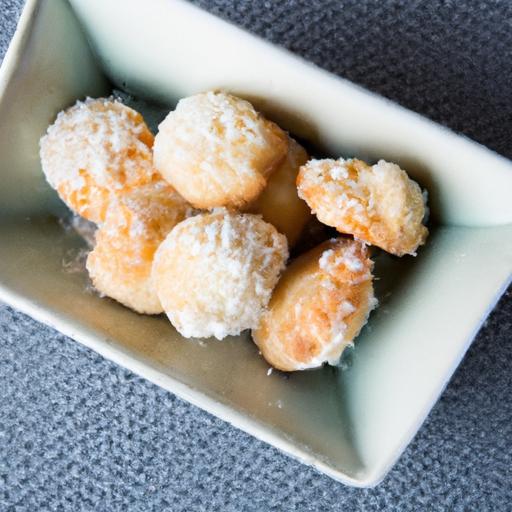
There’s a simple joy in biting into a coconut macaroon-a sweet, chewy morsel that instantly transports you to sunlit kitchens and festive gatherings. These little confections, with their golden-crisp exterior and tender, coconut-rich heart, have been delighting taste buds for centuries. But beyond their irresistible flavor and texture lies a fascinating history and a surprising diversity that often goes unnoticed. In this article,we’ll unwrap the story behind coconut macaroons,explore what makes them a beloved classic,and share insights into crafting the perfect batch-whether you crave them chewy,crispy,or somewhere in between. Get ready to discover why this humble treat continues to capture hearts around the world.
Coconut macaroons are more than just sweet treats-they’re an exquisite blend of chewy, moist texture and rich coconut flavor that make every bite unforgettable. Originating from European convents where simple almond and coconut-based confections delighted palates, these classic coconut macaroons have evolved into a universally adored dessert. My journey with coconut macaroons began on a rainy afternoon, where the comforting scent of toasted coconut mingled with warm vanilla instantly lifted spirits and created memories. Whether you’re a seasoned baker or a curious beginner, mastering the perfect texture while exploring exciting flavor variations will elevate your macaroon experience to dazzling new heights.
Prep and Cook Time
- Planning: 15 minutes
- Baking: 20 minutes
- Total Time: 35 minutes
Yield
Makes approximately 24 classic-sized coconut macaroons
Difficulty Level
Easy – perfect for bakers of all skill levels seeking a rewarding sweet treat
Ingredients
- 3 ½ cups sweetened shredded coconut
- ⅔ cup granulated sugar
- 3 large egg whites, at room temperature
- 1 teaspoon pure vanilla extract
- ½ teaspoon salt
- optional: ½ cup semi-sweet chocolate chips or melted chocolate for dipping
- Optional flavor twists: 1 tablespoon orange zest, 1 teaspoon almond extract, or ¼ teaspoon ground cinnamon
Step-by-step Guide to Baking Moist and Chewy Coconut Macaroons
- Preheat your oven to 325°F (163°C). Line two baking sheets with parchment paper or a silicone baking mat to prevent sticking and promote even browning.
- In a large mixing bowl, combine the shredded coconut, sugar, and salt. If you’re trying flavor variations, add your chosen zest or extracts now to infuse the mixture evenly.
- Using an electric mixer, beat the egg whites until soft peaks form. This aeration creates the glossy, tender chewiness that defines perfect coconut macaroons.
- Gently fold the whipped egg whites into the coconut mixture with a spatula, ensuring every strand of coconut is coated but not deflated. Avoid overmixing, which can lead to dry macaroons.
- using a tablespoon or a small cookie scoop,mound heaping spoonfuls of the mixture onto the prepared baking sheets,spacing them about 1 inch apart.
- Bake for 18-20 minutes, until the edges are golden brown and the tops feel set but still slightly soft to the touch. This timing delivers moist interiors with a delectably chewy bite.
- Remove the trays and let the macaroons cool completely on the sheets for 5 minutes, then transfer to a wire rack to cool fully.
- If desired, dip the bottoms or drizzle melted chocolate over each macaroon once cooled for an added layer of richness. Refrigerate for 10 minutes until set.
Expert Tips for Storing and Serving Your Classic Sweet Treats
- Storage: Keep coconut macaroons in an airtight container at room temperature for up to 4 days, or freeze for up to 3 months layered between parchment paper to maintain moisture and shape.
- Serving Ideas: Pair these treats with a rich espresso, chai latte, or a glass of cold milk. Garnish with a light dusting of powdered sugar or toasted coconut flakes for visual appeal.
- Flavor exploration: Enhance your coconut macaroons by adding finely chopped nuts like pistachios or dipping them in white or dark chocolate ganache for a gourmet twist.
- Troubleshooting: If your macaroons are too dry, reduce baking time slightly and ensure egg whites are well-beaten. For overly sticky bottoms, use parchment paper to elevate browning evenly.
Exploring Flavor Variations to Elevate Your Macaroon experience
Transform the classic coconut macaroon into a personalized masterpiece by integrating delightful flavors that complement coconut’s tropical sweetness. Here are some inspiring twists to try next:
- Chocolate Chunk Coconut Macaroons: Stir mini chocolate chips directly into the batter for bursts of decadence within every chewy bite.
- Citrus Infusion: Add orange or lime zest for a refreshing tang that brightens the coconut flavor profile.
- Spiced Surprise: Mix in cinnamon, nutmeg, or cardamom for a warm, aromatic depth perfect for cozy fall evenings.
- Almond Extract Bliss: Replace vanilla extract with almond extract to echo the macaroon’s customary European influences.
- Salted Caramel Drizzle: Finish off baked macaroons with a light drizzle of salted caramel sauce for an irresistible sweet-salty contrast.
Serving Suggestions
Present your coconut macaroons on a crisp white platter adorned with fresh mint sprigs or edible flowers for a stunning centerpiece. For festive occasions, stack them into charming towers tied with rustic twine or scoop up a few alongside a vibrant fruit salsa for a balance of crunchy and juicy textures. These macaroon delights also shine paired with creamy coconut ice cream or a dollop of whipped mascarpone for an irresistible dessert experience.
| Nutrient | per Serving (1 macaroon) |
|---|---|
| Calories | 110 kcal |
| Protein | 2 g |
| Carbohydrates | 14 g |
| fat | 6 g |
For complementary dessert ideas, don’t miss our recipe for Almond Biscotti Delight, perfect to sip alongside your coconut macaroons.
Learn more about the fascinating history of coconut desserts on History.com.

Q&A
Q&A: Coconut Macaroons Unwrapped: Sweet, Chewy, and Classic treats
Q1: What exactly is a coconut macaroon?
A1: think of a coconut macaroon as a bite-sized festivity of tropical sweetness. It’s a chewy, golden-baked cookie made primarily from shredded coconut, sugar, and egg whites. Unlike the fluffy French macarons, coconut macaroons are dense and rich, with a delightfully moist texture that makes them utterly irresistible.
Q2: Where did coconut macaroons originate?
A2: The story of coconut macaroons is as rich as their flavor! They trace back to Italian and Jewish culinary traditions. The concept of egg-white cookies was popular in European monasteries,and the addition of coconut,which became widely available in the 19th century,gave rise to the modern macaroon. Over time, these chewy treats became especially popular during Jewish holidays like Passover, where flourless desserts are prized.
Q3: What gives coconut macaroons their signature chewiness?
A3: The secret lies in the interplay between shredded coconut and the binding egg whites. Coconut-the star ingredient-holds moisture naturally, while the egg whites whip into a gentle binder that helps the cookie keep shape without drying out. The result? A soft, chewy center with a caramelized, slightly crisp exterior.
Q4: Are coconut macaroons gluten-free?
A4: Absolutely! Traditional coconut macaroons contain no flour or gluten-containing ingredients, making them a perfect treat for those with gluten sensitivities or celiac disease. just make sure any additional flavorings or coatings you add are gluten-free as well.
Q5: Can coconut macaroons be customized or enhanced with other flavors?
A5: Definitely. Coconut macaroons serve as a versatile canvas for creativity. Classic twists include dipping them in rich dark chocolate,infusing the batter with vanilla or almond extract,and sprinkling in a pinch of sea salt to heighten the coconut’s natural sweetness. Some adventurous bakers add chopped nuts, citrus zest, or even a hint of spice like cinnamon or cardamom for a fresh spin.Q6: What’s the best way to store coconut macaroons?
A6: To keep that delightful chewiness intact, store them in an airtight container at room temperature for up to a week. For longer freshness, pop them in the refrigerator or even freeze them-just be sure to thaw to room temperature before serving so their texture shines through.
Q7: How can you tell when coconut macaroons are perfectly baked?
A7: Look for a golden-brown exterior that’s slightly crispy to the touch but not burnt. The cookies should hold their shape without being dry or brittle. When you break one open, the inside should be moist and tender, with that signature chewy bite.
Q8: Why do coconut macaroons hold such a timeless appeal?
A8: Beyond their addictive flavor and texture, coconut macaroons are a little nostalgic package of comfort.They carry with them stories of tradition, holidays, and shared moments around the table. Their simple ingredients and straightforward preparation make them accessible for bakers and snackers alike-a sweet reminder that sometimes, the classics never go out of style.
Ready to unwrap your own batch? Embrace the magic of coconut macaroons and discover why these sweet, chewy classics continue to delight taste buds around the world!
The Way Forward
As the golden edges of a perfectly baked coconut macaroon come into view, it’s clear that this timeless treat is more than just a sweet indulgence-it’s a celebration of texture, tradition, and simple ingredients coming together in harmony. Whether you enjoy them drizzled with chocolate, subtly spiced, or delightfully plain, coconut macaroons invite us to savor the chewy richness that only shredded coconut can provide. So next time you’re craving a little taste of comfort, remember that these classic confections are more than just cookies-they’re a bite of nostalgia, wrapped in sweetness and waiting to be unwrapped again and again.