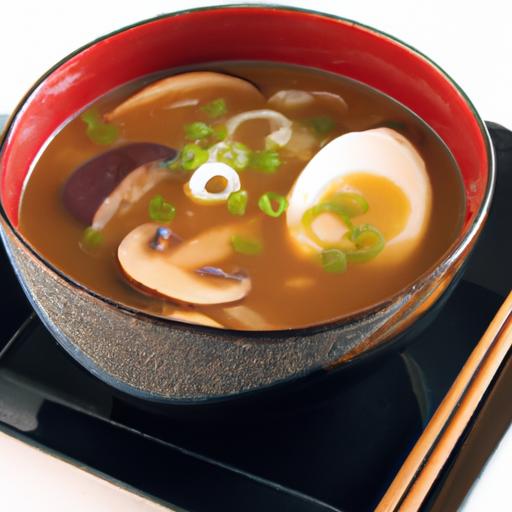

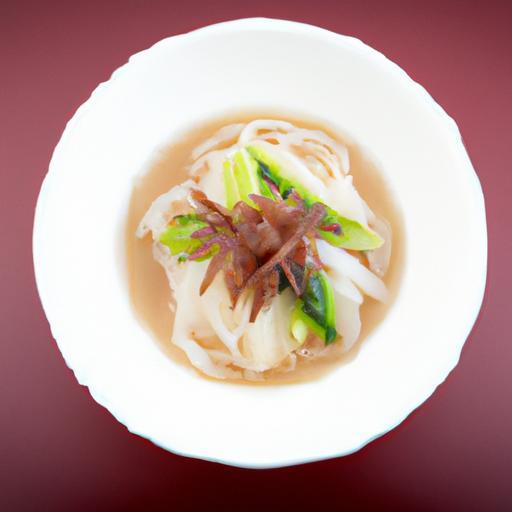
In the heart of Japanese cuisine lies a humble bowl brimming with centuries of tradition and an unforgettable depth of flavor-miso soup. More than just a starter or a simple comfort dish, miso soup embodies the very essence of umami, that elusive fifth taste that awakens the palate and nourishes the soul. From the delicate fermentation of soybeans to the subtle interplay of seaweed, tofu, and dashi broth, miso soup is a symphony of ingredients that tells a story of culture, craftsmanship, and culinary magic. Join us as we delve into the art and science behind this beloved broth, uncovering the secrets that make miso soup a timeless staple in japanese households and a rising star on tables worldwide.
Miso Soup Magic begins with a beautifully layered umami broth that embodies centuries of Japanese tradition, tastefully marrying science and artistry. This enchanting soup greets you with comforting warmth and depth, built from the harmonious blending of fermented miso paste, kombu seaweed, and dashi stock - a trifecta that makes every spoonful resonate with savory satisfaction.
Prep and Cook Time
- Planning: 10 minutes
- Cooking: 15 minutes
- total: 25 minutes
Yield
Serves 4 bowls
Difficulty Level
Easy – Perfect for beginners and seasoned cooks alike
Ingredients
- 6 cups water
- 1 piece (10g) dried kombu (kelp)
- 1 cup bonito flakes (katsuobushi)
- 3 tablespoons white or red miso paste (adjust to taste)
- 100g silken tofu, cubed
- 3 green onions, thinly sliced
- 1/2 cup wakame seaweed, rehydrated
- Optional: sliced shiitake mushrooms, grated ginger, enoki mushrooms, or thinly sliced carrots for added texture and flavor
Instructions
- Make the dashi broth: In a large pot, gently soak the kombu in 6 cups of cold water for 30 minutes, allowing it to soften and release umami.
- Heat the broth: Place the pot over medium heat and slowly bring to just under boiling-at the frist sign of bubbles around the edges, remove the kombu to prevent bitterness.
- Add bonito flakes: Stir in the bonito flakes and simmer for 3-5 minutes until the flakes sink to the bottom. Strain the broth gently through a fine sieve or cheesecloth into a clean pot, discarding the solids.
- Incorporate miso paste: Ladle about 1 cup of hot dashi into a small bowl, whisk in the miso paste until smooth, then return this mixture to the pot. Important: Avoid boiling once miso is added to preserve flavor and nutrients.
- Add tofu and wakame: Gently stir in cubed tofu and rehydrated wakame seaweed,warming through for 2-3 minutes.
- Finish and garnish: Remove from heat, then ladle the soup into bowls and garnish with sliced green onions and any optional ingredients for an extra layer of color and dimension.
Tips for success
- For deeper umami, use a blend of white (shiromiso) and red (akamiso) miso pastes, starting with a 2:1 ratio.
- If a lighter broth is preferred, reduce the amount of miso and omit the bonito flakes for a vegan-kind dashi using shiitake mushrooms and kombu only.
- Always dissolve miso in warm, not boiling, broth to avoid bitterness and preserve probiotics.
- Make ahead and store the dashi broth separately for up to 3 days; add miso and fresh ingredients just before serving for maximum freshness.
- For a luxurious touch, stir in a few drops of toasted sesame oil or a sprinkle of shichimi togarashi spice blend.
Serving Suggestions
Serve your bowl of miso soup magic piping hot in conventional lacquered bowls to evoke the authentic dining experience. Pair with steamed white rice, grilled fish, or a light tempura side to create a balanced Japanese meal. Garnish with thin strips of nori or a dash of yuzu zest to brighten the broth. A small bowl of pickled vegetables complements the gentle saltiness and rounds out the palate beautifully.

| Nutrient | Per Serving |
|---|---|
| Calories | 90 kcal |
| Protein | 7 g |
| Carbohydrates | 5 g |
| Fat | 3 g |
Discover more about traditional Japanese ingredients and their usage in our guide to Japanese cooking basics. To explore the science behind umami, read the detailed analysis on NCBI’s article on umami taste receptors.
Q&A
Q&A: miso Soup Magic - Exploring Japan’s Beloved Umami Broth
Q1: What exactly is miso soup, and why is it considered magical in Japanese cuisine?
A1: Miso soup is a traditional Japanese broth made from dashi (a savory stock), blended with miso paste-a fermented soybean concoction bursting with umami. its magic lies in its harmonious simplicity: the deep, savory flavor dances with delicate ingredients like tofu, seaweed, and green onions, creating a comforting, soul-warming experience that has transcended centuries.Q2: What makes miso soup so rich in umami flavor?
A2: Umami, ofen called the “fifth taste,” is central to miso soup. The secret ingredients-fermented soybeans in the miso paste and the kombu (kelp) and katsuobushi (bonito flakes) in the dashi stock-are brimming with glutamates and nucleotides. Thes molecules unlock a savory depth that elevates miso soup from simple broth to a symphony of flavor.
Q3: Are there different types of miso used in miso soup?
A3: Absolutely! Miso comes in several varieties based on ingredients and fermentation length. White miso (shiro) offers a mild, sweet flavor, perfect for light broths. Red miso (aka) boasts a stronger, saltier punch ideal for heartier soups. Mixed miso (awase) strikes a balance, creating a versatile umami profile. Each region in Japan swears by their preferred miso style, making the soup a cultural mosaic.
Q4: What ingredients traditionally accompany miso soup?
A4: Classic companions include silken tofu, wakame seaweed, and fresh green onions. Some regional twists add mushrooms, daikon radish, or clams. Every spoonful is an invitation to taste Japan’s agricultural bounty and coastal freshness wrapped in a velvety broth.Q5: is miso soup healthy, or just tasty?
A5: miso soup is a nutritional powerhouse. It’s rich in probiotics from fermentation, aiding digestion and gut health. The seaweed brings iodine and minerals, tofu adds plant-based protein, and the low-calorie, nutrient-dense broth hydrates and nourishes-making it a flavorful way to support wellbeing.Q6: Can miso soup be customized for modern palates or dietary needs?
A6: definitely! Its core flexibility allows for creative substitutions-vegetable-based dashi instead of fish for vegetarians, or incorporating seasonal veggies for variety. It’s a culinary canvas that welcomes innovation while honoring tradition.
Q7: How has miso soup influenced global cuisine?
A7: miso soup’s global journey has inspired chefs worldwide to incorporate the umami essence into fusion dishes-think miso-glazed meats,ramen broths,or even miso-based dressings. Its humble roots complement a vast spectrum of flavors, proving that this ancient broth holds enduring magic far beyond Japan’s shores.
Q8: What’s the best way to savor miso soup at home?
A8: Begin with good-quality miso paste and authentic dashi for that unmistakable depth. Add fresh ingredients gently so as not to overpower the delicate balance. Sip it slowly to appreciate each umami layer-this is more than soup; it’s a mindful moment steeped in tradition and taste.
Unlock the secret enchantment of miso soup and let every bowl transport you to the heart of Japan’s timeless umami magic.
Future Outlook
As the steam rises from a humble bowl of miso soup, it carries with it centuries of tradition, the harmony of simple ingredients, and the essence of Japan’s celebrated umami. This enchanting broth is more than just a comforting start to a meal-it is a liquid tapestry weaving history,culture,and flavor into every sip. Whether enjoyed in a bustling Tokyo eatery or crafted quietly at home,miso soup invites us to savor the subtle magic hidden within its depths. So next time you lift that warm bowl to your lips, remember: you’re tasting a timeless story of nourishment and artistry, one spoonful of umami at a time.