
In the vibrant tapestry of Korean cuisine, few dishes capture the delicate balance of flavor, texture, and nutrition quite like bibimbap. This beloved bowl, a harmonious blend of tender beef, crisp vegetables, and perfectly steamed rice, invites your palate on a journey of delightful contrasts and complementary tastes. “Bibimbap Delight: Savoring beef and Veggie Harmony” explores the artful assembly and cultural richness behind this iconic dish, revealing how each element-carefully prepared and thoughtfully combined-creates a symphony of flavors that celebrates both tradition and wholesome indulgence. Whether you’re a seasoned food lover or a curious culinary explorer, dive in to discover why bibimbap remains a timeless favorite in kitchens around the world.
Bibimbap Delight: Savoring beef and Veggie Harmony invites you to explore a culinary masterpiece that balances bold flavors, textures, and colors in every bite. This iconic Korean dish combines tender, perfectly selected beef with crisp, fresh vegetables, all brought together by a rich and harmonious sauce blend that transforms simple ingredients into an unforgettable meal. Whether you’re a seasoned home cook or a curious foodie, mastering this balance will elevate your kitchen skills and delight your taste buds.
Prep and Cook Time
Readiness: 25 minutes | Cooking: 20 minutes | Total: 45 minutes
Yield
Serves 4 generous portions
Difficulty Level
Medium – Perfect for cooks ready to dive into a layered and rewarding recipe.
Ingredients
- 300g sirloin beef, thinly sliced (marbled for tenderness)
- 2 cups cooked short-grain rice, warm
- 1 medium carrot, julienned
- 1 cup fresh spinach, blanched and drained
- 1 small zucchini, thinly sliced
- 4 shiitake mushrooms, sliced
- 2 cloves garlic, minced
- 1 tablespoon sesame oil
- 2 tablespoons vegetable oil
- 1 teaspoon soy sauce (for sautéing veggies)
- 2 large eggs (optional, to fry sunny side up)
- 2 tablespoons gochujang (Korean chili paste)
- 1 tablespoon rice vinegar
- 1 tablespoon honey or sugar
- 1 teaspoon toasted sesame seeds, for garnish
- 1 scallion, thinly sliced (for garnish)
- Salt and pepper, to taste
Instructions
- Prepare the beef: Marinate the sliced sirloin in 1 tablespoon soy sauce, 1 teaspoon sesame oil, and minced garlic for 10 minutes to infuse flavor and tenderize.
- Sear the beef: Heat a skillet over medium-high heat and add 1 tablespoon vegetable oil. Sauté the beef until browned and just cooked through, about 3-4 minutes. Remove and set aside.
- Cook the vegetables: In the same skillet, add remaining vegetable oil.Sauté carrots, zucchini, and shiitake mushrooms separately until tender but still vibrant-about 2-3 minutes each-adding a pinch of salt and 1 teaspoon soy sauce per batch to enhance natural flavors.
- Blanch spinach: Quickly blanch spinach in boiling water for 30 seconds, then plunge into ice water to preserve color. Drain thoroughly and season lightly with sesame oil and salt.
- Prepare the sauce blend: In a small bowl, whisk together gochujang, rice vinegar, honey, and 1 teaspoon sesame oil. adjust sweetness or tanginess to your liking for a perfect sauce harmony.
- Fry the eggs: In a non-stick pan, fry eggs sunny side up with slightly runny yolks for luscious texture contrast.
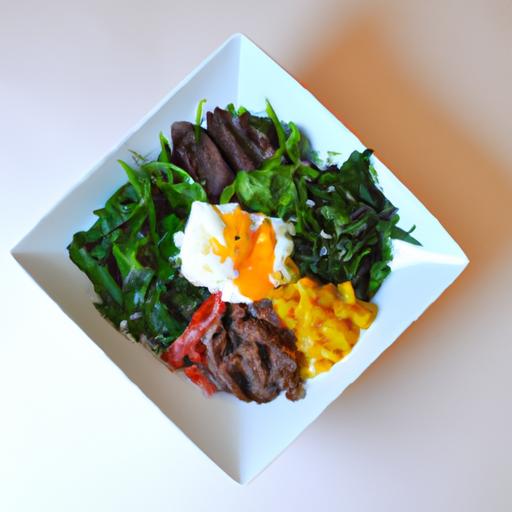
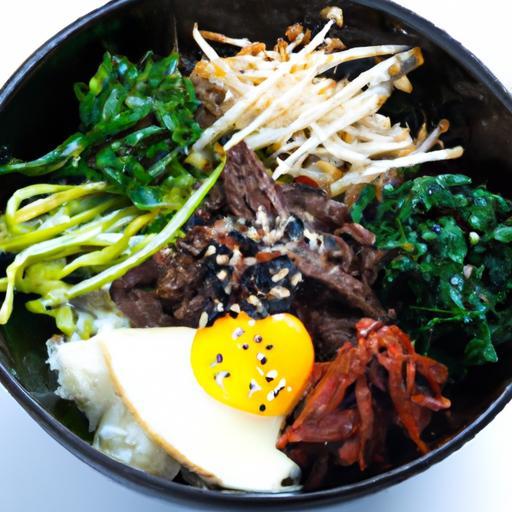
- Assemble the bibimbap: Place warm rice at the base of each bowl.Artfully arrange the sautéed veggies and beef around the rice in colorful sections. Top with the fried egg and sprinkle with toasted sesame seeds and scallions.
- Serve: Drizzle the sauce blend over or serve on the side, allowing each guest to mix and savor their personal balance of flavors and textures.
Tips for Success
- For bold beef flavor and tenderness, choose cuts like sirloin or ribeye with good marbling. Avoid lean cuts that will dry out during quick sauté.
- If seasonal vegetables vary, swap zucchini for bell peppers or kale for spinach, adjusting cooking times accordingly to keep crispness intact.
- Make the sauce blend up to a day ahead to let the flavors meld beautifully.
- For a vegetarian version, replace beef with firm tofu or mushrooms tossed in the same marinade.
- When cooking rice, slightly overcook and keep warm; this helps the final mixed textures meld beautifully.
Serving Suggestions
Serve your bibimbap delight in vibrant bowls that show off the colorful ingredients. garnishing with fresh cilantro or a sprinkle of toasted seaweed flakes provides an added textural dimension. Pair with a light, chilled cucumber salad or Korean kimchi to accentuate the spiciness of the sauce blend. Encourage diners to mix all components just before eating to experience a truly harmonious medley of taste, texture, and aroma.

| Nutrient | Per Serving |
|---|---|
| Calories | 480 kcal |
| Protein | 28 g |
| Carbohydrates | 52 g |
| Fat | 16 g |
For expert insight on choosing premium beef cuts, visit the beef It’s What’s For Dinner resource. Also, discover more about Korean conventional recipes in our Korean Cuisine Guide for inspired cooking adventures.
Q&A
Q&A: Bibimbap Delight – Savoring Beef and Veggie Harmony
Q1: What exactly is bibimbap, and why is it called a “delight”?
A1: Bibimbap, literally meaning “mixed rice,” is a vibrant Korean dish that brings together steamed rice, an array of seasoned vegetables, savory beef, and a perfectly fried egg, all harmonized by a spicy-sweet gochujang sauce. It’s a delight as every bite is a gorgeous symphony of textures and flavors-crunchy, tender, spicy, and umami-all in one bowl.
Q2: How does the beef contribute to the overall harmony of bibimbap?
A2: The beef in bibimbap is often marinated with soy sauce, garlic, sesame oil, and a touch of sweetness, then either grilled or sautéed to tender perfection. This rich, savory protein adds depth and heartiness, perfectly balancing the fresh, crisp vegetables and the earthy rice beneath. It’s the star that grounds the dish, turning it into a satisfying meal.
Q3: What kinds of vegetables typically make their way into a bibimbap bowl?
A3: A traditional bibimbap features a colorful medley of vegetables such as julienned carrots, sautéed spinach, bean sprouts, zucchini, shiitake mushrooms, and sometimes fernbrake (gosari). Each vegetable is seasoned lightly and cooked separately, preserving their distinct flavors and textures, which when mixed, create an exciting mosaic of taste.
Q4: Can bibimbap be customized for different diets or preferences?
A4: Absolutely! While beef bibimbap is beloved, you can swap the meat for tofu, chicken, or even seafood.Vegetables can be tailored to what’s fresh or preferred-think kimchi for a spicy crunch, or cucumber for a refreshing twist. The magic of bibimbap lies in its adaptability without losing that essential harmony.
Q5: What’s the best way to savor bibimbap for the ultimate flavor experience?
A5: Traditionally, bibimbap is served with the ingredients neatly arranged on top of rice-think of it as edible artwork. Before eating, mix everything thoroughly so the gochujang sauce coats every component evenly. This blending stage transforms the dish into a vibrant chorus were every bite is a perfect balance of savory, spicy, and fresh.
Q6: Is there a cultural story behind bibimbap’s creation?
A6: Yes! Bibimbap is said to have roots in Korean royal cuisine and humble farmers’ meals alike, symbolizing unity and resourcefulness. It was historically a way to use up leftover side dishes and rice, combining them into one nourishing and appealing meal. This spirit of blending diverse ingredients into harmonious wholes echoes deeply in Korean culture.
Q7: Where can a beginner start if they want to try making bibimbap at home?
A7: Start simple: cook some rice, sauté a mix of your favorite veggies separately, prepare marinated beef or an choice protein, and fry an egg sunny-side-up. Don’t forget a good dollop of gochujang sauce! Assemble everything in a bowl, mix, and enjoy the appetizing dance of flavors you’ve created.
Enjoy the vibrant dance of flavors and textures that Bibimbap Delight offers – a true party of beef and veggie harmony in every spoonful!
Wrapping Up
As the vibrant colors and rich flavors of bibimbap come together in each delightful bite, we’re reminded that this dish is more than just a meal-it’s a celebration of harmony.From tender strips of marinated beef to the crisp,fresh medley of vegetables,bibimbap invites us to savor the perfect balance of textures and tastes rooted in tradition yet embraced worldwide. Whether you’re a seasoned foodie or a curious newcomer, exploring the depths of bibimbap offers a delicious journey into Korean culinary artistry. So next time hunger calls, let bibimbap be your flavorful passport to a symphony of beef and veggie bliss.