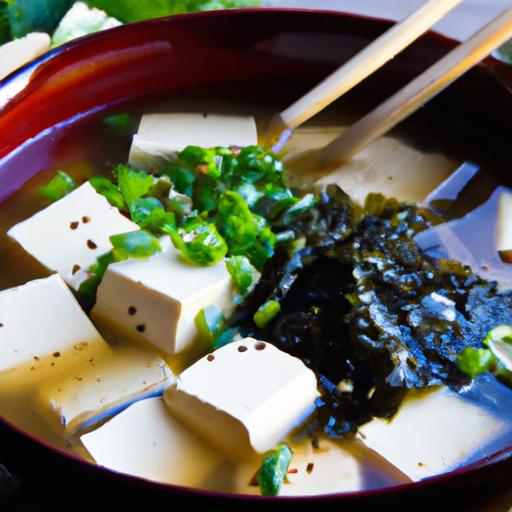

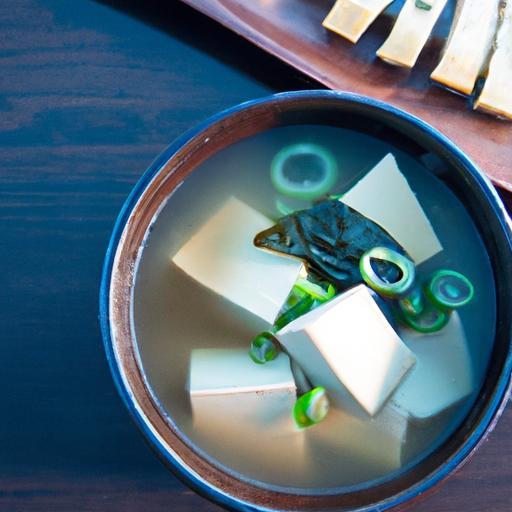
Beneath the humble surface of a steaming bowl lies a world of ancient tradition and vibrant flavors-welcome to the enchanting realm of miso, tofu, and seaweed soup. Frequently enough celebrated as a simple staple of Japanese cuisine, this soothing broth is much more than comfort food; it is indeed a delicate dance of umami notes, nourishing ingredients, and cultural history in every spoonful. In this article, we’ll dive into the magic behind miso soup’s most beloved companions-silky tofu and tender seaweed-unveiling how these elements transform a modest dish into a symphony of taste and wellness. Prepare to embark on a flavorful journey that honors age-old recipes while inviting fresh appreciation for this timeless culinary delight.
Miso Magic: Mastering the Ultimate Tofu and Seaweed Soup
Miso Magic begins with the humble yet transformative power of a perfectly crafted miso broth. Rooted in centuries of Japanese tradition,this soup elevates simple ingredients like tofu and seaweed into a dish bursting with flavor and nourishment. Whether you’re a seasoned cook or new to Japanese cuisine, discovering the interplay between miso’s umami depth, the delicate textures of tofu, and the nutritional benefits of seaweed unlocks a world of comforting possibilities. let’s dive into creating a soup that invigorates both the palate and the soul.
Prep and Cook Time
- Preparation: 15 minutes
- Cooking: 20 minutes
- Total time: 35 minutes
Yield
Serves 4 generously
Difficulty Level
easy to Medium - approachable for home cooks,with room for creative tweaks
ingredients
- 4 cups dashi stock (preferably kombu and bonito broth)
- 3 tablespoons white miso paste (adjust to taste)
- 1 block (14 oz) silken tofu,cubed
- 1/4 cup wakame seaweed,dried
- 2 green onions,thinly sliced
- 1 teaspoon soy sauce (optional,for added depth)
- 1 teaspoon sesame oil (for finishing)
- 1/2 cup shiitake mushrooms,thinly sliced (optional)
- Fresh grated ginger,1 teaspoon (optional,for brightness)
Instructions
- Prepare the dashi broth. if using instant dashi powder, dissolve it in 4 cups of hot water as per package instructions. For homemade, simmer kombu seaweed and bonito flakes, then strain.
- Soak the dried wakame. Place the wakame in cold water for 5-7 minutes until it expands and softens, then drain.
- Heat the broth gently. Pour the dashi into a saucepan and bring to a gentle simmer over medium heat.
- Incorporate the miso paste. Place miso paste in a small bowl. Ladle a few tablespoons of hot broth into the bowl and whisk until smooth. pour this mixture back into the pot, stirring carefully. avoid boiling to preserve flavor and probiotics.
- Add the tofu cubes and mushrooms. Gently slide in the silken tofu and sliced shiitake mushrooms, simmering gently for 3-4 minutes to heat through without breaking the tofu.
- Mix in wakame and season. Stir in the softened wakame, green onions, and if desired, soy sauce and fresh grated ginger. Simmer another 1-2 minutes.
- Finish with sesame oil. Turn off the heat and drizzle sesame oil over the soup for a delicate aroma and richness.
- serve immediately. Ladle into bowls, garnishing with extra green onions or thinly sliced chili for a touch of color and a subtle kick.
Chef’s Notes: tips for Success
- Choosing tofu: Silken tofu adds luxurious creaminess, but for a firmer texture, try medium or firm tofu. Press firmer tofu lightly to remove excess water before cubing.
- Balancing umami and freshness: Use white or yellow miso for milder sweetness. Red miso offers a deeper, robust flavor but can overpower – adjust quantity accordingly.
- Seaweed selection: Wakame is mild and tender; kombu imparts mineral-rich umami but is best reserved for the stock. for extra nutrition, add nori strips just before serving.
- Prolonging broth brilliance: Never boil miso paste; gentle heat preserves its enzymes and flavor complexity.
- Make-ahead advice: Prepare dashi broth and chopped ingredients in advance. Assemble and warm the soup 10 minutes before serving for maximum freshness.
Serving Suggestions
This soup shines when served piping hot with a bowl of steamed jasmine or brown rice on the side.For a light meal, pair with a crisp cucumber salad or edamame. Garnish with delicate sprouts or microgreens for added texture. A drizzle of chili oil or a sprinkle of toasted sesame seeds creates an enticing visual and taste contrast.
| Nutrient | Per Serving |
|---|---|
| Calories | 110 |
| Protein | 8g |
| Carbohydrates | 6g |
| Fat | 4g |

Discover the beauty of these layers of umami and freshness in other Japanese staples-check out our Miso-Glazed Eggplant recipe for more inspiration.For a deep dive into Japanese umami principles, explore this authoritative guide on umami.
Q&A
Q&A: Miso Magic – Exploring Tofu and Seaweed Soup Delights
Q1: What makes miso soup with tofu and seaweed such a beloved dish?
A1: Miso soup with tofu and seaweed is a timeless Japanese comfort food that harmoniously blends umami-rich miso paste, silky tofu cubes, and the briny essence of seaweed. This trio creates a bowl that’s both nourishing and deeply satisfying, highlighting simplicity turned into culinary poetry.
Q2: How does miso paste shape the flavor profile of this soup?
A2: Miso paste is the soul of the soup-it brings a savory, slightly tangy depth born from fermented soybeans. Depending on the type used (white, yellow, or red), miso lends different intensities, from mild and sweet to robust and earthy, infusing the broth with layers of complex flavor.
Q3: Why use tofu and seaweed together in miso soup?
A3: Tofu and seaweed are yin and yang in taste and texture. Tofu offers a creamy, delicate softness that soaks up the flavorful broth, while seaweed adds a subtle oceanic bite and a tender chew. Their combination balances protein and minerals, making each spoonful a nourishing delight.
Q4: Can this soup be customized easily?
A4: Absolutely! Miso soup is wonderfully versatile. You can experiment with different types of tofu, try wakame or kombu seaweed varieties, and add extra ingredients like mushrooms, green onions, or even seasonal veggies. Each tweak adds a new note to the familiar melody.
Q5: Is miso soup healthy?
A5: Yes! Rich in probiotics from fermented miso, full of plant-based protein from tofu, and packed with minerals from seaweed, this soup supports digestion, boosts immunity, and fuels you with gentle energy-all with very few calories.
Q6: How do you avoid common pitfalls when making miso soup?
A6: The key is gentle heat-never boil miso or you’ll lose its delicate flavors and beneficial probiotics. Dissolve miso in a bit of warm broth before adding it back to the pot, and add tofu and seaweed last to preserve their textures.
Q7: What cultural significance does miso soup hold?
A7: More than just a dish, miso soup is a ritual in japanese households-served daily to start the day or complete a meal. It symbolizes warmth, hospitality, and the art of turning humble ingredients into soulful nourishment.
Q8: Can miso soup with tofu and seaweed inspire creativity in the kitchen?
A8: Definitely! Its simplicity is a blank canvas inviting cooks to explore flavors from silky sesame oils to fiery chili flakes or tangy yuzu zest. Miso soup is where tradition meets innovation, inviting you to make each bowl uniquely your own.
Final Thoughts
As the soothing warmth of miso broth lingers on your palate and the tender embrace of tofu meets the briny whispers of seaweed, you’ve uncovered more than just a soup-you’ve tasted a tradition steeped in harmony and health. “Miso Magic” isn’t merely a dish; it’s a vibrant story of simple ingredients weaving together to create a symphony of flavor and nourishment. Whether you’re a seasoned foodie or a curious newcomer, this humble bowl invites you to explore the depths of umami, the balance of textures, and the cultural richness simmering beneath its surface. So next time you crave comfort in a bowl, let the delicate dance of tofu and seaweed in miso soup remind you that magic truly lies in the art of simplicity.