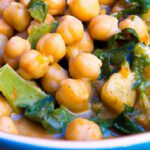

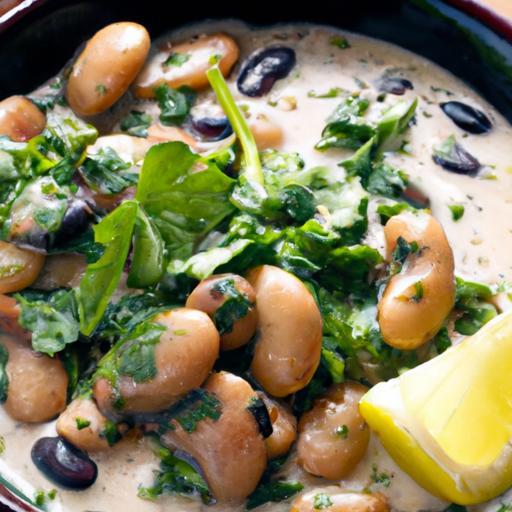
Beneath the vibrant tapestry of Middle Eastern cuisine lies a humble dish that has quietly nourished civilizations for thousands of years: Ful medames.Often overshadowed by flashier fare, this ancient fava bean feast boasts a rich history steeped in tradition and communal celebration. From the bustling streets of Cairo to the serene villages of Nubia, Ful Medames is more than just a meal-it is a cultural emblem, a morning ritual, and a flavorful testament to endurance and simplicity. Join us as we unveil the story behind this timeless dish, exploring its origins, cultural significance, and the delightful flavors that continue to captivate palates across generations.
Ful Medames Unveiled: The Ancient Fava Bean Feast invites you on a culinary journey to discover one of the Middle East’s most treasured staples. This humble yet hearty dish, often enjoyed at dawn across Egyptian and Levantine homes, carries a rich legacy that transcends centuries. Every bite tells a story-not only of cultural heritage but also of nourishment packed inside each slow-cooked fava bean, making it a beloved breakfast and comfort food alike.
Prep and Cook time
- Preparation: 10 minutes
- Cooking: 1 hour 15 minutes (including soaking time if using dried beans)
Yield
Serves 4 generously as a main or 6 as a side.
Difficulty Level
Medium – Requires patience and attention but accessible for mindful home cooks.
Ingredients
- 2 cups dried fava beans (or 3 cups canned, drained for quicker version)
- 1/4 cup extra virgin olive oil, plus more for drizzling
- 4 cloves garlic, finely minced
- 1 teaspoon ground cumin
- 1 teaspoon smoked paprika (optional)
- Salt to taste
- Fresh lemon juice from 1 large lemon
- 1 small onion, finely chopped (optional)
- Fresh parsley, finely chopped for garnish
- Water or vegetable broth for cooking
- Optional toppings: chopped tomatoes, boiled eggs, tahini, chili flakes, chopped pickles
Instructions
- Soak the beans: if using dried fava beans, rinse then soak overnight or for at least 8 hours in plenty of cold water to soften and reduce cooking time.
- cook the beans: Drain soaked beans and transfer to a large pot. Cover with fresh water or vegetable broth by 2 inches. Bring to a boil, then reduce heat to low, partially cover, and simmer gently for 1 hour or until beans are fully tender. Stir occasionally to prevent sticking.
- Prepare the flavor base: While beans cook, gently heat 2 tablespoons of olive oil in a small skillet. Add minced garlic and sauté until fragrant and lightly golden – about 2 minutes.Stir in ground cumin and smoked paprika, cooking for another 30 seconds to release aromas.
- Season and mash: When beans are tender, drain (reserving some cooking liquid). Return to pot and add sautéed garlic-spice mixture. Using the back of a wooden spoon or potato masher, gently crush the fava beans to a creamy, chunky consistency. Add reserved cooking liquid as needed to loosen the texture.
- Enhance the flavors: Stir in chopped onion (if using), lemon juice, salt to taste, and remaining olive oil. Adjust seasoning, balancing the tanginess and savoriness. keep warm on low heat for 5-10 minutes to meld flavors.
- Serve with customary toppings: Ladle ful medames into a shallow bowl or tagine.drizzle with extra olive oil, sprinkle fresh parsley, and add chosen garnishes-try sliced boiled eggs, diced tomatoes, or a drizzle of tahini for authentic richness.
Tips for Success
- Swift version: Use canned fava beans and reduce cooking step by simmering them just until infused with garlic and spices.
- Texture balance: Aim for a creamy yet slightly chunky consistency that comforts but doesn’t become mushy.
- Overnight soak: Don’t skip soaking dried beans-it drastically improves digestibility and tenderness.
- Flavor layering: Toast your cumin and garlic gently-not too hot-to coax out deep, aromatic notes.
- Store leftovers: Ful medames tastes even better the next day; reheat slowly with a splash of water and olive oil.
Serving Suggestions
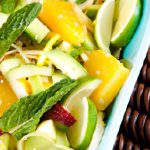
Bursting with flavor and tradition, this dish pairs beautifully with warm, fresh pita bread or flaky flatbreads like homemade pita bread.Create an inviting mezze spread by adding creamy labneh, olives, fresh cucumbers, and sun-ripened tomatoes. For a modern twist,toss in avocado slices or a bright herb salad. Don’t forget a side of spiced pickled vegetables for a tantalizing contrast!
| nutrient | Per Serving |
|---|---|
| Calories | 270 kcal |
| Protein | 15 g |
| Carbohydrates | 35 g |
| Fat | 9 g |

To deepen your understanding of legume nutrition and culinary heritage,explore this detailed resource at Encyclopedia Britannica – Fava Bean.
Q&A
Q&A: Ful Medames Unveiled – The Ancient Fava Bean Feast
Q: What exactly is Ful medames?
A: Ful Medames is a beloved, ancient Egyptian dish made primarily of slow-cooked fava beans seasoned with olive oil, garlic, lemon, and sometimes cumin. It’s a humble yet hearty feast that has nourished communities for thousands of years, often enjoyed as a breakfast staple.
Q: how old is this dish?
A: ful Medames is incredibly old-tracing its roots back to Pharaonic times, over 3,000 years ago. Archaeological evidence and historical texts reveal that fava beans were a dietary cornerstone in ancient Egypt, making ful Medames one of the world’s oldest continuously enjoyed dishes.
Q: Why are fava beans so central to this dish?
A: Fava beans,or broad beans,are a nutritional powerhouse packed with protein,fiber,and essential vitamins. In the arid climate of Egypt, they were a reliable and affordable crop, perfect for sustaining populations through lean times and celebrations alike.
Q: How is Ful Medames traditionally prepared?
A: The process involves soaking dried fava beans overnight, then slow-cooking them for hours until meltingly soft.The beans are then mashed slightly and tossed with fragrant olive oil, tangy lemon juice, minced garlic, and frequently enough a sprinkle of cumin. Some variations add chopped parsley, tomatoes, or hard-boiled eggs for extra texture and flavor.
Q: What cultural significance does Ful Medames hold?
A: Beyond being a morning meal,Ful Medames is a symbol of communal sharing and hospitality. In Egyptian homes and street markets alike, it’s served piping hot, encouraging friends and families to gather around and savor both the food and each other’s company. It’s not just sustenance-it’s a tradition steeped in history and social bonding.
Q: Has Ful Medames evolved over time?
A: While the core ingredients have remained surprisingly consistent, regional variations have flourished across the Middle East and North Africa. Some versions incorporate tahini, chili peppers, or fresh herbs. Yet, the essence-slow-cooked fava beans dressed simply and generously-remains the heart of the dish.
Q: Can I try making Ful Medames at home?
A: Absolutely! With just dried fava beans, olive oil, garlic, lemon, and a few spices, you can summon a taste of ancient Egypt right in your kitchen. The key is patience during the slow cooking, allowing the beans to develop that rich, creamy texture that makes Ful Medames so irresistible.
Q: Why should modern food lovers care about Ful Medames?
A: Rediscovering Ful Medames means reconnecting with one of humanity’s oldest shared meals-simple, sustainable, and packed with flavor. It’s a dish that transcends time, celebrating the power of humble ingredients to bring people together, nourish bodies, and feed culture. In an age of fast food, Ful Medames invites us to slow down and savor something truly timeless.
In Retrospect
As the sun sets on the rich history and vibrant flavors of Ful Medames, we are reminded that this humble fava bean dish is more than just sustenance-it is indeed a cultural tapestry woven through millennia. From bustling Middle Eastern streets to the quiet hearths of ancient homes, Ful Medames carries the stories of generations, inviting us to savor not only its taste but its timeless heritage. So next time you dive into a steaming bowl of this ancient feast, remember you’re partaking in a culinary tradition that has nourished both body and soul for centuries. Ful Medames isn’t just food-it’s history, community, and celebration served on a plate.