

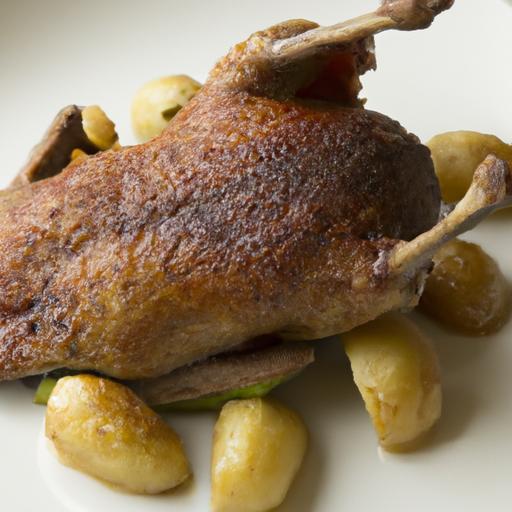
There’s something undeniably magical about the marriage of tender, succulent duck confit and golden, crispy roasted potatoes – a classic duo that has delighted palates for centuries. But achieving that perfect harmony of textures and flavors in your own kitchen can feel like an elusive art. Fear not: mastering crispy duck confit with flawless roasted potatoes is within your grasp.In this article, we’ll unravel the time-honored techniques and insider secrets that transform humble ingredients into a show-stopping dish. Prepare to elevate your culinary game, as we guide you step-by-step toward a crispy, tender masterpiece that’s sure to impress both family and guests alike.
Understanding the Art of Duck Confit for Crispy Perfection
Mastering crispy duck confit with perfect roasted potatoes begins with appreciating the centuries-old French technique that transforms humble duck legs into a heavenly combination of tender meat encased in irresistibly crisp skin. The magic lies in slowly cooking duck submerged in its own fat, rendering it meltingly soft while locking in flavor. This method infuses the meat with subtle herbs and aromatics, making each bite a symphony of taste and texture. Whether you’re recreating a memorable trip to gascony or simply elevating dinner,this dish turns any occasion into a celebration.
Choosing the Ideal Fat and Seasonings to Enhance Flavor
Using duck fat is traditionally preferred for confit, as it mirrors the bird’s natural fats, contributing to the rich mouthfeel and enhancing authenticity. However, high-quality goose fat or even clarified olive oil can work if necessary. The key to flavor lies in your seasoning blend: a classic mix includes garlic cloves, fresh thyme, bay leaves, and a touch of coarse salt. These aromatics infuse the meat during the slow cooking, creating layers of complexity. Don’t rush this step-allow the duck legs to marinate overnight with salt and herbs to deepen the taste profile.
Step by Step Guide to Achieving Golden Roasted Potatoes
perfect roasted potatoes are the essential foil to the rich duck confit, offering crispy edges and a fluffy interior that soak up succulent duck juices. Start with starchy Yukon Gold or Russet potatoes, peeled and cut into even chunks for uniform roasting. Parboiling until just tender softens their centers and preps them for the secret step: roughing up the edges by shaking them gently in the pot after draining. This helps create maximum crispness. Roast in a hot oven with a drizzle of reserved duck fat, a sprinkle of fresh rosemary, and a pinch of sea salt until golden brown and crackling-about 40 minutes, flipping once midway.
Expert Tips for Serving and Pairing Your Duck Confit Meal
serve your duck confit with a crisp salad of peppery arugula and shaved fennel, dressed lightly in lemon vinaigrette to cut through the richness.A drizzle of tart black cherry or red currant sauce complements the savory meat perfectly. For beverage pairings, a bold Pinot Noir or a spicy syrah elevates the dish’s depth. Garnish the plate with fresh thyme sprigs and a sprinkle of flaky sea salt on the confit skin to enhance the crunchy sensation. Present with rustic crusty bread to mop up any remaining fat and juices, ensuring a complete sensory experience.
Prep and Cook Time
- Preparation: 20 minutes
- Marinating: 12-24 hours
- Cooking: 2-3 hours
- Roasting Potatoes: 40 minutes
Yield
Serves 4 elegantly.
Difficulty Level
Medium – requires patience but simple techniques.
Ingredients
- 4 duck legs, skin on
- 3 cups duck fat (or goose fat)
- 4 garlic cloves, smashed
- 3 sprigs fresh thyme
- 2 bay leaves
- 1 tbsp coarse sea salt
- 1 tsp black peppercorns, crushed
- 2 lbs Yukon Gold or Russet potatoes, peeled and cut into chunks
- 2 tbsp reserved duck fat (for roasting potatoes)
- 1 tbsp fresh rosemary, chopped
- Flaky sea salt, for finishing
Instructions
- Prepare the duck: Pat duck legs dry. In a bowl, combine coarse sea salt, crushed peppercorns, thyme, garlic cloves, and bay leaves.
- Marinate: Rub this seasoning mixture onto the duck legs. Cover and refrigerate for 12-24 hours to let flavors penetrate deeply.
- Rinse and dry: After marinating, rinse off the salt and herbs under cold water and pat legs completely dry with paper towels for optimal browning.
- Slow cook: Place duck legs in a heavy pot or deep baking dish. Pour melted duck fat over until fully submerged. Cook in a 225°F (110°C) oven for 2-3 hours until the meat is tender and easily pulls from the bone.
- Cool & store: Let duck cool in the fat.You can store legs submerged in fat in the fridge for up to 1 month or freeze for longer.
- Prep potatoes: Boil potatoes in salted water for 10 minutes until just tender. Drain and return to pot. Shake pot gently to roughen edges-this optimizes crispiness.
- Roast potatoes: Toss potatoes with reserved duck fat, rosemary, and a pinch of salt.spread on a baking sheet. Roast in 425°F (220°C) oven for 35-40 minutes turning halfway until golden and crispy.
- Crisp the duck skin: Before serving, heat a skillet over medium heat. Place duck legs skin-side down and sear for 5-7 minutes until skin is crackling crisp.
- Plate and serve: Arrange duck confit with golden roasted potatoes, garnish with fresh thyme and flaky sea salt. Add a salad or tart sauce for contrast.
Chef’s Notes & Tips for Success
- Reserve the rendered duck fat after cooking; it’s liquid gold for roasting and adds incomparable flavor.
- For an easier route, premade duck fat is available in specialty stores or online.
- Allow confit to rest at room temperature before searing-this ensures even crisping without drying out.
- Try adding a pinch of smoked paprika or crushed juniper berries to your seasoning for a unique twist.
- Duck confit can be made ahead and refrigerated; reheat gently in a low oven before crisping skin.
Serving Suggestions
Pair with a fresh green salad tossed in lemon vinaigrette to brighten up the plate. A dollop of mustard or a tangy cherry reduction beautifully balances the richness.For beverage pairing, select a medium-bodied red like Pinot Noir or a floral white such as Gewürztraminer. Serve with crusty bread to soak up all the luscious juices, and don’t forget a sprinkle of flaky sea salt on the crispy duck skin to elevate every bite.

| Nutrient | Per Serving |
|---|---|
| Calories | 650 kcal |
| Protein | 45 g |
| Carbohydrates | 35 g |
| Fat | 40 g |
For more culinary inspiration, check out our Classic French Recipes section. To dive deeper into the history and benefits of duck fat, visit Serious Eats – Duck Fat Benefits.
Q&A
Q&A: Mastering Crispy Duck Confit with Perfect Roasted Potatoes
Q: What exactly is duck confit, and why is it so revered in French cuisine?
A: Duck confit is a centuries-old French technique where duck legs are slowly cooked in their own fat until tender and luscious.this method preserves the meat and infuses it with deep, rich flavors. The magic lies in low-and-slow cooking, wich transforms humble duck legs into a melt-in-your-mouth delicacy crowned with a perfectly crisped skin. It’s the culinary equivalent of turning comfort food into an art form.Q: How do I achieve that coveted crispy skin on my duck confit?
A: here’s the crispy secret: after the duck legs have gently cooked in their fat and cooled,remove excess fat and pat the skin dry-moisture is the enemy of crispiness! Then,sear the duck skin-side down in a hot,dry pan or broil it briefly in the oven. The result? Golden-brown, crackling skin that shatters delightfully under your fork, offering a stunning textural contrast to the silky meat beneath.
Q: What’s the best way to prepare those perfect roasted potatoes to complement my duck confit?
A: Roasted potatoes shoudl be your plate’s shining supporting actor-crispy on the outside, fluffy on the inside, and seasoned just right. Start by parboiling potatoes until tender, then rough them up by shaking them in the pot; this creates nooks for crispiness. Roast them in duck fat rendered from your confit, sprinkling with coarse salt and fresh herbs like rosemary or thyme.The result? Potatoes that soak up the duck’s essence and offer a golden, crunchy bite with every forkful.
Q: Can I prepare duck confit and roasted potatoes ahead of time?
A: Absolutely! Duck confit improves in flavor when rested-some say it tastes even better a day or two later. Store the cooked duck legs in their fat in the fridge.When you’re ready to serve, crisp up the skin as described and roast your potatoes fresh for peak texture. This make-ahead strategy lets flavors deepen without sacrificing that signature crisp finish.Q: Are there any flavor twists or complementary sides to elevate this classic duo?
A: Definately! A splash of acidity-like a tart cherry sauce or a drizzle of balsamic reduction-cuts through the richness beautifully.For greens, sautéed spinach with garlic or a tangy frisée salad with a mustard vinaigrette adds balance and brightness. Consider adding garlic cloves and shallots to your potatoes or infusing your duck fat with herbs to weave an even more aromatic tapestry on the plate.
Q: What are common pitfalls to avoid when making duck confit with roasted potatoes?
A: Avoid rushing the process by cranking up the heat-that’ll toughen the meat and risk greasy skin. Patience is your ally: slow-cook the duck gently and crisp the skin at the last moment. For potatoes, don’t skip the parboil or the roughing up step; skipping these means missing crispy edges. Lastly, don’t skimp on seasoning-well-salted potatoes and properly seasoned duck are essential to flavor harmony.
Q: How can mastering this dish expand my culinary repertoire?
A: Conquering duck confit and perfect roasted potatoes is like earning a chef’s badge of honor-it blends tradition with technique, patience with creativity. Learning to handle fat as a cooking medium teaches invaluable lessons in flavor extraction and texture control. Plus, this dish impresses at dinner parties and enriches your understanding of classic French gastronomy, opening doors to more adventurous, refined cooking adventures ahead.
In Retrospect
As you savor the succulent, melt-in-your-mouth duck confit paired with those golden, irresistibly crispy roasted potatoes, you’ll realize that mastering this classic French delight is as much about patience and technique as it is about passion. With every step-from slowly rendering the duck’s rich fat to achieving that perfect potato crunch-you’ve unlocked a culinary symphony where texture and flavor dance in harmony. So go ahead, gather your ingredients and your curiosity, and bring this timeless dish from your kitchen to the table. After all, mastering duck confit isn’t just about cooking-it’s about creating an experience worth savoring bite after glorious bite.