

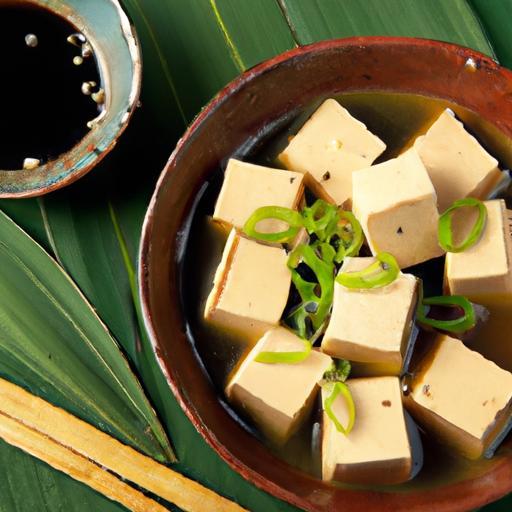
In a world ofen overwhelmed by complexity and hurried meals, there’s a quiet comfort found in simplicity-an ancient kind of nourishment that warms both body and soul. Miso soup, with its delicate balance of savory umami and gentle earthiness, invites us to slow down and savor the moment. Add tender cubes of tofu, and this humble broth transforms into a wholesome embrace of nutrition and tradition. Join us as we explore the art of making miso soup with tofu cubes-a simple recipe that embodies the elegance of minimalism and the richness of Japanese culinary heritage. Whether you’re a seasoned cook or a curious beginner, this comforting bowl promises to be a nourishing ritual worth savoring.
Wholesome Simplicity: Making Miso Soup with Tofu Cubes invites you to experience a bowl of nourishing warmth were delicate textures and umami-rich flavors come together effortlessly. Rooted in centuries of Japanese tradition, this stew of comfort blends the depth of miso paste with the silky smoothness of fresh tofu and the briny whisper of seaweed. Whether it’s your first time or a longtime favorite, mastering this recipe ensures you’ll savor each spoonful full of serene, authentic goodness.
Prep and Cook Time
Preparation: 10 minutes
Cooking: 15 minutes
Yield
Serves 4 generously
Difficulty Level
Easy – perfect for both beginners and seasoned cooks seeking wholesome simplicity.
Ingredients
- 4 cups water
- 1 piece (about 4 g) dried kombu (kelp)
- 1/3 cup bonito flakes
- 3 tablespoons white miso paste (shiro miso)
- 1 cup silken tofu, cut into 1/2-inch cubes
- 2 tablespoons wakame seaweed, dried
- 2 scallions, thinly sliced
- Optional: a pinch of toasted sesame seeds or a few drops of toasted sesame oil for garnish
Instructions
- create the dashi broth: In a medium pot, combine 4 cups of water and the dried kombu. Let it soak for 30 minutes to extract gentle flavors. Slowly bring to a simmer over medium heat, but do not let it boil. Just before boiling, remove kombu to avoid bitterness.
- Add bonito flakes: Stir in the bonito flakes and let simmer for 2 minutes, then turn off heat. Let the flakes steep for an additional 5 minutes to deepen the broth’s umami. Strain the liquid thru a fine mesh sieve into a clean pot, discarding the solids.
- Rehydrate wakame: Meanwhile,soak the dried wakame seaweed in cold water for 5-10 minutes untill plump. Drain and chop into bite-sized pieces.
- Prepare tofu cubes: Gently cut the silken tofu into uniform 1/2-inch cubes, handling carefully so they stay intact and retain their silky texture.
- Combine and heat: Warm the strained dashi broth over medium-low heat. Stir in white miso paste by diluting it in a small bowl with a ladle of warm broth before whisking it into the pot-this prevents clumping and preserves the delicate flavor. Do not boil the soup after adding miso, or its lively brightness will fade.
- Add tofu and wakame: Carefully fold in the tofu cubes and wakame, allowing them to heat gently for 2-3 minutes without stirring vigorously to avoid breaking the tofu.
- Finish with scallions: Remove from heat and sprinkle with thinly sliced scallions for a fresh pop of color and mild onion aroma.
- Optional garnish: Enhance your bowl with a pinch of toasted sesame seeds or a few drops of toasted sesame oil for an extra layer of nutty richness.
Chef’s Notes: Tips for Success
- Choosing Miso Paste: For the lightest flavor, opt for white miso (shiro miso), prized for its mild sweetness and delicate finish. red or mixed miso varieties add deeper, earthier tones but can overpower the tofu’s silkiness.
- Silky Tofu Handling: Always use silken or soft tofu to capture the smooth mouthfeel iconic to this soup. Use a sharp knife and minimal stirring after adding tofu to prevent crumbling.
- Balancing the Broth: The dashi forms the soul of the soup. Store-bought dashi granules can work in a pinch, but making fresh dashi with kombu and bonito guarantees authenticity and freshness.
- make-Ahead: Prepare dashi broth in advance and refrigerate for up to 2 days. Miso paste and tofu are best added fresh just before serving to maintain texture and flavor.
- Variations: Add thinly sliced shiitake mushrooms or a few drops of yuzu citrus juice for seasonal flair.tofu can be swapped with firm tofu cubes for a crunchier bite.
Serving Suggestions
Serve your bowl of miso soup steaming hot in traditional lacquer or ceramic bowls to highlight its color contrast-the pale tofu against dark broth with flecks of green wakame and scallions. Pair with a side of steamed rice or light pickles for a balanced meal.A simple bamboo ladle or porcelain spoon complements the experience, encouraging mindful sipping and delight in each nourishing spoonful.

| Nutrition (per serving) | Amount |
|---|---|
| Calories | seventy |
| Protein | 7 g |
| Carbohydrates | 5 g |
| fat | 2 g |
For more on mastering traditional Japanese cuisine, explore our Guide to Japanese Dashi Broth. To deepen your knowledge of miso’s health benefits and varieties, visit the Harvard Health Blog.
Q&A
Q&A: Wholesome Simplicity – Making Miso Soup with Tofu Cubes
Q1: What makes miso soup such a beloved dish around the world?
A1: Miso soup is the epitome of comfort in a bowl-simple yet deeply nourishing. Its umami-rich broth, derived from fermented miso paste, warms the soul while providing probiotics and essential nutrients. Its humble ingredients come together to create a harmony that’s both soothing and revitalizing, making it a staple in many cultures beyond its Japanese origins.
Q2: Why add tofu cubes to miso soup?
A2: Tofu cubes add a gentle, creamy texture and a mild protein boost that balances the miso’s savory notes. As tofu absorbs the flavors of the broth, each bite becomes a delightful burst of subtle richness. It also transforms the soup into a heartier, more satisfying meal while retaining the soup’s overall lightness.
Q3: What kind of tofu is best suited for miso soup?
A3: Silken tofu is the go-to choice for its delicate texture that practically melts in your mouth, creating a luscious contrast with the broth. Though, soft or medium-firm tofu also works well if you prefer a bit more bite. The key is to cut the tofu into small cubes so they gently float through the soup without overpowering.
Q4: How do you ensure the miso paste doesn’t lose its flavor or nutrients when making the soup?
A4: Miso paste is sensitive to high heat, which can kill its beneficial probiotics and dull its flavor. To preserve its wholesome essence, dissolve the miso in a small amount of warm broth off the heat and then gently stir it back into the pot just before serving. This subtle step keeps the soup vibrant and healthful.Q5: Can I customize the soup while keeping it wholesome and simple?
A5: Absolutely! Miso soup is wonderfully versatile. Add wakame seaweed for an oceanic depth, sliced green onions for freshness, or a sprinkle of toasted sesame seeds for a nutty crunch. The beauty lies in subtle additions that honor the soup’s simple spirit without complicating its balance.
Q6: How long does it take to make miso soup with tofu cubes?
A6: A true celebration of simplicity-this soup can be on your table in about 15 minutes or less.It’s perfect when you want something quick, nourishing, and soothing, whether as a starter or a light meal.
Q7: Any tips for an unforgettable miso soup experience?
A7: Use good-quality miso paste and fresh tofu, and don’t rush the gentle simmer. Listen to your senses: the aroma of the broth, the tender texture of tofu cubes, and that warm umami embrace. Simple ingredients treated with care create a dish that’s more than food-it’s a moment of wholesome calm in your day.
Discover the magic of “Wholesome Simplicity” by making your own miso soup with tofu cubes. It’s more than a recipe; it’s an invitation to slow down and savor the little joys in every spoonful.
Closing Remarks
As the gentle steam rises from your bowl of homemade miso soup, dotted with tender tofu cubes, you’re reminded that true comfort often lies in simplicity. This humble dish, rooted in centuries of tradition, offers more than just nourishment-it’s a quiet celebration of balance, patience, and care. By embracing wholesome ingredients and mindful preparation, making miso soup becomes more than a cooking ritual; it transforms into a moment of connection with nature and yourself. So next time you crave something warm and soothing, let the simplicity of miso and tofu guide you back to the basics, where flavor and serenity intertwine in every savory sip.