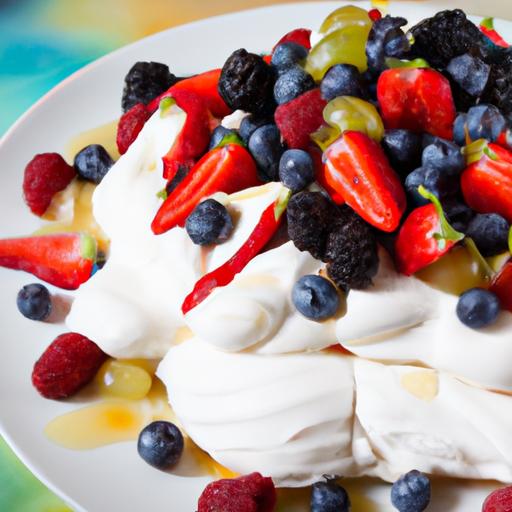

There’s something truly magical about a dessert that dances on the tongue-light as a whisper, crisp at first bite, then melting into a cloud of sweetness.Enter the Pavlova: a confection that’s as much a feast for the eyes as it is indeed for the palate. named after the legendary ballerina Anna Pavlova, this elegant meringue-based treat is crowned with a vibrant crown of fresh fruits, creating a symphony of textures and flavors that celebrate nature’s bounty. In this article, we’ll explore the art and science behind achieving Pavlova perfection, while unveiling tips to transform this classic dessert into a fresh fruit delight that will captivate your senses and elevate any occasion.
pavlova Perfection: Crafting the Ultimate Crisp and Cloudlike Meringue Base
Pavlova perfection starts with the art of mastering a meringue that is both delightfully crisp on the outside and irresistibly cloudlike within. This iconic dessert, celebrated for its ethereal texture and vibrant display, has roots stretching back to the 1920s when it was created in honor of the famous ballerina Anna Pavlova. The magic lies in whipping simple ingredients into a delicate balance of structure and softness.Once you’ve achieved this flawless base, the addition of fresh fruits and complementary toppings transforms it into a show-stopping centerpiece.
Prep and cook Time
- Preparation: 20 minutes
- Baking: 1 hour 15 minutes
- Cooling: 1 hour (in the oven)
- Total Time: Approximately 3 hours
Yield
Serves 8-10 elegantly.
Difficulty Level
Intermediate – Patience is key, but the reward is unsurpassed.
Ingredients
- 4 large egg whites, at room temperature
- 1 cup (200g) caster sugar (superfine sugar)
- 1 tsp white vinegar
- 2 tsp cornstarch (cornflour)
- 1/2 tsp vanilla extract
- 1 cup (240ml) heavy cream, chilled
- 2 tbsp powdered sugar
- 2 cups mixed fresh fruits (strawberries, kiwi, passion fruit pulp, blueberries)
Instructions
- Preheat your oven to 275°F (135°C). Line a baking sheet with parchment paper and draw a 7-inch circle to guide your meringue shape, then flip the paper over.
- beat the egg whites in a clean, grease-free bowl with an electric mixer on medium speed until soft peaks form.
- gradually add caster sugar, one tablespoon at a time, beating on high speed until the meringue is glossy and holds stiff peaks. Rub a small amount between your fingers to check for any sugar grittiness - it shoudl be smooth.
- Gently fold in the vinegar, cornstarch, and vanilla extract with a spatula.This mixture helps create the crisp shell and soft center.
- Transfer the meringue inside the drawn circle on the parchment. Use a spatula to build up slightly higher edges and a shallow dip in the center to cradle the toppings.
- Bake for 1 hour and 15 minutes until the meringue is pale and crisp to the touch. Turn off the oven and leave the door slightly ajar to cool entirely inside-this prevents cracking.
- Meanwhile, whip the heavy cream with powdered sugar until soft peaks form. Refrigerate until assembly.
- Prepare fresh fruits: wash, peel, and slice fruits like strawberries and kiwi evenly to create vibrant colors and varied textures. Passion fruit pulp adds an irresistible tang and visual pop.
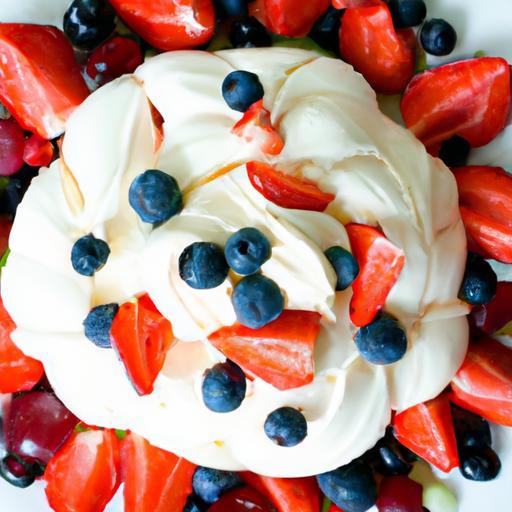
- Assemble by gently spreading whipped cream on the cooled meringue base. top artistically with fresh fruit, layering colors from reds to greens and yellows for maximum visual appeal.
Tips for Success with Pavlova Perfection
- Use room temperature egg whites: they whisk more easily and reach greater volume.
- Ensure no yolk contamination: even a tiny bit of fat will prevent meringue from whipping properly.
- Maintain low and slow baking: this is essential to develop the crisp crust without browning or cracks.
- Cook on parchment paper: for easy release and a clean finish underneath your meringue base.
- Prepare fruits fresh: to preserve bright color and texture; cut just before serving.
Serving Suggestions
Present your pavlova on a pristine white platter to accentuate its snowy white base contrasted by the vivid, jewel-like fruits.
- Garnish with a sprinkle of finely chopped mint or edible flowers for a delicate pop of color.
- Serve with a side of passion fruit coulis for an additional zingy note.
- Pair this dessert with a chilled glass of sparkling wine to elevate your festivity.

| Nutrition | Per Serving |
|---|---|
| Calories | 280 kcal |
| Protein | 4 g |
| Carbohydrates | 45 g |
| Fat | 8 g |
For more tips on handling meringue desserts and exploring complementary toppings, check out our Mastering Meringue Basics guide. To deepen your understanding of ingredient chemistry in dessert making, visit Serious Eats’ Science of Meringue.
Q&A
Q&A: Pavlova Perfection – A Fresh Fruit Dessert Delight
Q1: What exactly is a Pavlova?
A: Pavlova is a light, airy meringue-based dessert named after the famous Russian ballerina Anna Pavlova. It features a crisp crust and a marshmallowy soft center,crowned with whipped cream and an artful arrangement of fresh fruits.Q2: How did Pavlova come to be such a beloved dessert?
A: Born in the early 20th century, Pavlova embodies elegance and simplicity-much like the dance itself. Its delicate texture and refreshing fruit topping make it perfect for celebrations and sunny days, capturing hearts especially in Australia and New Zealand, were culinary pride fuels friendly debates over its origin.
Q3: What makes the meringue shell so special in Pavlova?
A: The Pavlova’s meringue shell is an exquisite paradox: crisp on the outside yet meltingly soft on the inside. Achieving this balance demands patience and technique-whisking egg whites to stiff peaks,slow baking at low temperatures,and careful cooling to avoid cracks.
Q4: Can you suggest some fresh fruits that pair beautifully with Pavlova?
A: Absolutely! The freshest berries-strawberries, raspberries, blueberries-and tropical fruits like kiwi, passionfruit, and mango are classic choices. Their juicy brightness and slight tartness cut through the sweet cream, making each bite a symphony of flavor and texture.
Q5: Is Pavlova tough to make at home?
A: While it may seem intimidating, Pavlova is surprisingly approachable with a few tips: use room-temperature egg whites, avoid any yolk in the whites, and resist the urge to open the oven during baking. With a little practice, you’ll master the art of this delicate dessert.Q6: How can Pavlova be personalized for different occasions?
A: The beauty of Pavlova lies in its versatility. Swap fruits with seasonal picks, drizzle passionfruit pulp or chocolate sauce, or even add a hint of citrus zest to the cream. For a festive twist,incorporate pomegranate seeds or edible flowers to dazzle guests.
Q7: Why is Pavlova considered a perfect summer dessert?
A: refreshing, light, and visually stunning, Pavlova celebrates the bounty of summer fruits. It’s cool and satisfying without being heavy-making it an ideal centerpiece for warm-weather gatherings and outdoor feasts.
Q8: Any final tips for achieving Pavlova perfection?
A: Love and patience are the secret ingredients. Whip with care, bake low and slow, and adorn generously with fresh fruits and cream. Remember, each Pavlova is a canvas-let your creativity shine as you craft your own fresh fruit dessert delight!
In Conclusion
As the final meringue crumble melts away on your tongue, it’s clear that Pavlova is more than just a dessert-it’s a celebration of texture, sweetness, and vibrant freshness all in one elegant bite. Whether adorned with luscious berries,tropical slices,or a medley of seasonal fruits,this airy delight invites endless creativity while honoring its classic roots. So next time you crave a dessert that’s as light as a cloud yet bursting with flavor, remember Pavlova’s timeless charm. Perfectly crisp on the outside, marshmallow-soft within, and crowned with nature’s candy-this is truly dessert artistry at its freshest and finest.