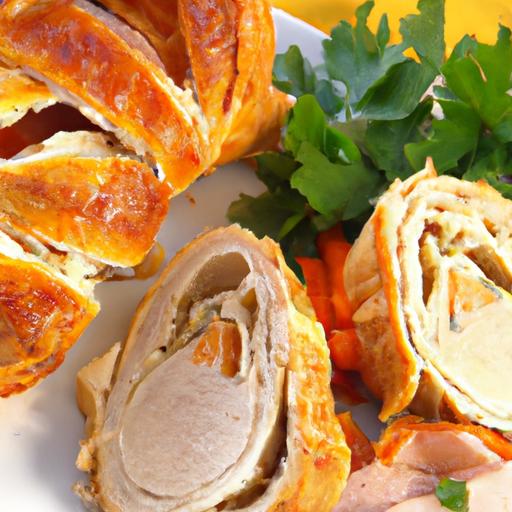

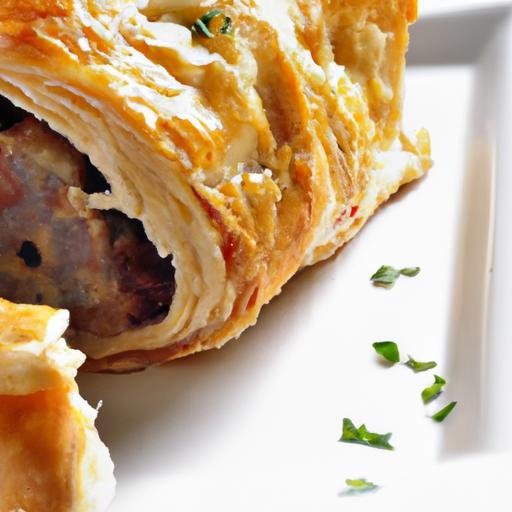
Ther’s a certain magic in the delicate layers of golden puff pastry-each one crisp, buttery, and whisper-thin-encasing a rich, savory treasure within. Enter the Chicken Wellington: a dish that transforms humble chicken into a show-stopping centerpiece, wrapped in a flaky embrace of flavor and finesse. But achieving that perfect puff pastry-light, airy, and irresistibly crisp-is both art and science. In this article, we’ll unravel the secrets behind crafting flawless chicken Wellingtons, exploring techniques that elevate this classic dish from simple to spectacular, making every bite a celebration of texture and taste. Whether you’re a culinary novice or a seasoned cook, mastering the puff pastry is your first step toward creating a Chicken Wellington that delights both the eye and the palate.
Perfectly Puff-Pastry: the Art of Chicken Wellingtons
Perfectly puff-pastry Chicken Wellingtons are an exquisite celebration of texture and flavor, blending the buttery crispness of delicate layers with tender, juicy chicken wrapped in an aromatic mushroom and herb duxelles. This dish, a classic centerpiece of British culinary heritage, has enchanted food lovers worldwide and continues to be a show-stopper at any dinner table. I still remember the first time I cracked the secret to flaky pastry layers; it transformed my Chicken wellingtons from good to unforgettable, inviting compliments and repeat requests with every bite.
Prep and Cook Time
- Readiness: 45 minutes
- Cooking: 40 minutes
- Total Time: 1 hour 25 minutes
Yield
- Serves 4 generous portions
Difficulty Level
- Medium – Requires attention to detail with pastry and timing
Ingredients
- 1 sheet puff pastry (about 250g), thawed if frozen
- 4 boneless, skinless chicken breasts (approx. 140g each), trimmed
- 2 cups mushrooms (button or cremini), finely chopped
- 2 tablespoons unsalted butter
- 2 tablespoons shallots, finely minced
- 2 cloves garlic, minced
- 1 tablespoon fresh thyme, finely chopped
- 3 tablespoons dry white wine or chicken stock
- 2 tablespoons Dijon mustard
- 1 egg, beaten (for egg wash)
- Salt and freshly ground black pepper to taste
- Olive oil for searing
Instructions
- Prepare the Duxelles: Heat butter in a sauté pan over medium heat. Add shallots and garlic, cook untill translucent. Stir in the finely chopped mushrooms and thyme.Sauté until the moisture evaporates and the mushrooms turn golden brown, about 10-12 minutes. Add the white wine and cook until dry. Season with salt and pepper. Remove from heat and let cool completely.
- Prepare the Chicken: Season the chicken breasts generously. Heat a splash of olive oil in a skillet over medium-high heat. Sear the chicken for 2-3 minutes on each side until golden but not fully cooked-carryover heat will finish cooking. Remove and brush each breast lightly with Dijon mustard. Allow to cool.
- Roll Out Puff Pastry: On a lightly floured surface, roll the puff pastry sheet into a rectangle approximately 12″x10″. Cut into four pieces, each large enough to fully encase a chicken breast.
- Assemble the Wellington: Spread 2-3 tablespoons of the cooled mushroom duxelles onto each pastry piece, leaving a border for sealing. Place a mustard-coated chicken breast on top. Fold over the pastry,sealing edges firmly with a little egg wash. Use the back of a fork to crimp edges for a clean finish.
- Chill the Wrapped Chicken: Transfer the wrapped chicken to a baking sheet lined with parchment paper. Refrigerate for at least 15 minutes to ensure the pastry firms up, which helps maintain crisp layers during baking.
- egg Wash and Score: Brush the tops generously with egg wash for a golden finish. Using a sharp knife, lightly score the top of each parcel with a small decorative pattern but do not cut through the pastry.
- Bake to Perfection: Preheat your oven to 400°F (200°C). Bake the Wellingtons for 35-40 minutes or until the pastry is puffed and golden brown with a crisp crust. Use a meat thermometer to confirm that the internal temperature of the chicken reaches 165°F (74°C).
- Rest Before Serving: Let the Wellingtons rest for 5 minutes out of the oven. This step locks in juicy tenderness and allows the flavors to harmonize.
Tips for Success
- For naturally flaky layers, always keep puff pastry cold before baking; warm pastry loses its crispness.
- if pressed for time, use store-bought puff pastry-but opt for high-quality brands with butter as the primary fat for best texture.
- To deepen flavor, add a splash of chicken stock or dry sherry when finishing the duxelles.
- Wrap each chicken breast snugly to avoid steam leaks that can soften the pastry.
- Try making Wellingtons ahead: wrap them and refrigerate up to 24 hours before baking for stress-free entertaining.
Serving Suggestions
plate your perfectly puff-pastry Chicken Wellington atop a bed of gently wilted spinach or beside creamy mashed potatoes to complement the crisp textures. Garnish with fresh thyme sprigs or a light drizzle of pan jus or red wine reduction for an elegant touch. A simple mixed green salad with vinaigrette adds freshness and balance to this rich dish.

| Nutrient | Per Serving |
|---|---|
| Calories | 520 kcal |
| Protein | 36 g |
| Carbohydrates | 28 g |
| Fat | 30 g |
Ready to take your pastry skills even further? Explore our Ultimate Guide to Puff Pastry Techniques for more tips and tricks.
Q&A
Q&A: Perfectly Puff-Pastry – The Art of Chicken Wellingtons
Q: What exactly is a Chicken Wellington?
A: Picture this: succulent chicken breast, ofen wrapped in a luxurious blend of mushrooms, herbs, and pâté, all enveloped in a golden, flaky puff pastry blanket. It’s a lighter, poultry twist on the classic Beef wellington that marries delicate flavors with dramatic presentation.
Q: Why choose chicken over the conventional beef for a Wellington?
A: Chicken offers a tender canvas that absorbs flavors beautifully while cooking more quickly than beef. It creates a lighter dish that’s perfect for those seeking the elegance of a Wellington without the heaviness. Plus, its subtle flavor allows creative fillings and seasonings to shine.
Q: What’s the secret to achieving that perfectly puffed pastry?
A: Temperature and technique are your best friends here. Keep your pastry cold before baking to ensure maximum puff. An ice-cold habitat prevents the butter layers from melting too soon, resulting in those iconic flaky pockets. Also, a hot, preheated oven-around 400°F (200°C)-helps create that glorious oven spring.
Q: How do you prevent the puff pastry from getting soggy?
A: Moisture is the enemy of crisp pastry. To combat sogginess, dry your mushroom duxelles thoroughly and consider adding a thin layer of mustard or prosciutto around the chicken. These act as moisture barriers, keeping the pastry crisp and beautifully golden.
Q: Can Chicken Wellington be made ahead of time?
A: Absolutely! You can prepare the components in advance-the duxelles, seasoned chicken breasts, and even assemble the Wellington. Chill it well before baking. This not only allows flavors to meld but also keeps the pastry firm, helping it puff perfectly when it hits the oven.
Q: Any tips for customizing the flavors?
A: The beauty of Chicken wellington lies in its versatility. Experiment with different herb blends, swap traditional mushroom duxelles for a mixture of wild mushrooms, or add a layer of spinach, caramelized onions, or even a smear of truffle oil. Just remember to balance moisture and richness to keep the pastry pristine.
Q: What side dishes best complement Chicken Wellington?
A: Think elegant but simple-roasted root vegetables, a crisp green salad, or silky mashed potatoes. A light pan sauce or a drizzle of reduced balsamic glaze can elevate the dish without overpowering it.
Q: How notable is presentation in serving Chicken Wellington?
A: Very! Part of the magic is in the reveal-the crispy, golden exterior giving way to tender chicken inside. Slice carefully with a sharp knife, and consider garnishing with fresh herbs or edible flowers for that wow factor. It’s not just a meal; it’s an experience.Q: Any common pitfalls to avoid when making Chicken Wellington?
A: Overcooking the chicken is a frequent misstep-it should remain juicy, not dry. Avoid underbaking the pastry; it should be crisp and golden all around. Also, be mindful of the filling’s moisture content and thickness; too watery, and the pastry wilts, too dry, and you lose richness.
Q: Where did the idea of Chicken Wellington originate?
A: While Beef Wellington has deep roots in British culinary tradition, Chicken Wellington is a more modern, creative adaptation. It reflects the global trend of reimagining classic recipes with new ingredients, appealing to diverse palates and dietary preferences.
Ready to puff up your culinary skills and master the art of Chicken Wellingtons? Keep these tips in mind, and your next dinner party will surely be remembered for that perfect golden crust and tender, flavorful bite!
In Retrospect
As the golden, flaky layers of your chicken Wellington come together in perfect harmony, you’ve not only crafted a dish-you’ve mastered a timeless culinary art. The delicate interplay of tender chicken, savory duxelles, and buttery puff pastry transforms humble ingredients into a showstopping centerpiece. Whether you’re impressing guests or indulging in a special night at home, remember that every crisp, puffed layer tells a story of patience, precision, and passion. So next time you embark on your puff-pastry adventure, savor the process as much as the perfection on your plate-as in the world of Chicken Wellingtons, artistry and flavor rise hand in hand.