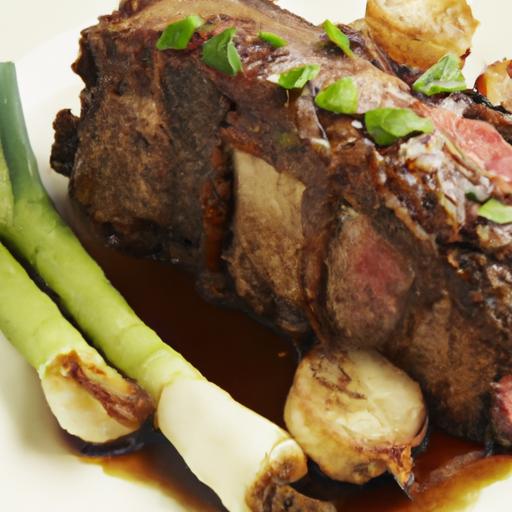

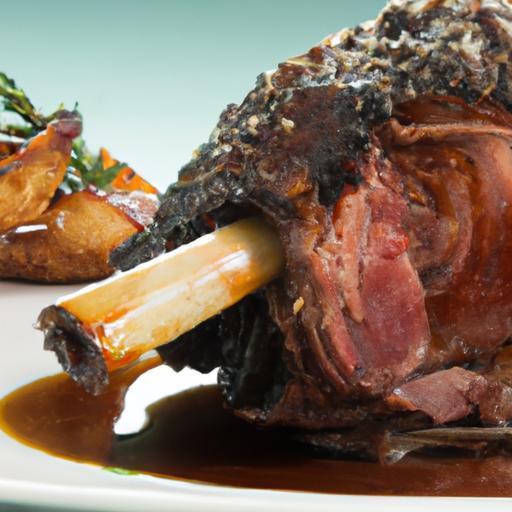
there’s something undeniably majestic about a perfectly slow-roasted prime rib–the tender,juicy meat pulling away effortlessly from the bone,the rich aroma filling the kitchen,and that delicate crust locking in flavor. But what truly elevates this classic centerpiece is the accompanying au jus: a luscious, savory sauce that transforms every bite into a decadent experience. In this article, we’ll guide you through the art and science of mastering slow-roasted prime rib paired with a deeply flavorful au jus, ensuring your next gathering is nothing short of culinary royalty. Prepare to impress your guests and delight your palate with a dish that’s as comforting as it is refined.
Mastering slow-roasted prime rib with rich au jus flavor begins with an intimate understanding of selecting the right cut that guarantees velvety tenderness and a depth of taste that lingers long after the first slice. This iconic roast, beloved for its marbling and succulence, is a celebration of both tradition and precision cooking techniques that transform a simple cut into a centerpiece worthy of any special occasion.
Prep and Cook Time
- Preparation: 20 minutes
- Resting: 30 minutes
- Cooking: 2 to 3 hours (depending on size and desired doneness)
yield
Serves 8-10 generous portions
Difficulty Level
Medium – Requires planning and attention but delivers restaurant-quality results
Ingredients
- 1 prime rib roast (bone-in, 5 to 6 pounds, USDA Choice or prime grade)
- 3 tablespoons kosher salt
- 2 tablespoons freshly ground black pepper
- 2 tablespoons garlic powder
- 1 tablespoon fresh rosemary, finely chopped
- 1 tablespoon fresh thyme, finely chopped
- 2 tablespoons olive oil
- 1 large yellow onion, quartered
- 3 cloves garlic, smashed
- 2 cups beef broth (low sodium)
- 1 cup red wine (optional, for au jus)
Instructions
- Choose your prime rib carefully: Look for a roast with generous, even marbling and a creamy white fat cap-this fat will render slowly, basting the meat during roasting and locking in moisture.
- Season with intention: Combine kosher salt, black pepper, garlic powder, rosemary, and thyme in a small bowl. Rub olive oil evenly over the entire roast to help the seasoning adhere. Then apply the herb-spice mixture generously, pressing into the meat’s surface for maximum flavor penetration.
- Bring to room temperature: Let the seasoned prime rib rest on the counter for at least 1 hour before roasting. This step ensures an even cook from edge to center,critical for tender results.
- Prepare your oven and roasting pan: Preheat oven to 450°F (230°C). Place quartered onion and garlic cloves in the bottom of a heavy roasting pan to serve as a flavor base and rack. Position the prime rib fat-side up on a rack above the aromatics to collect dripping juices without stewing.
- Sear and slow roast: Roast the prime rib at 450°F for 20 minutes to caramelize the crust. Lower the oven temperature to 325°F (160°C) and continue roasting until an internal thermometer reads 130°F (54°C) for medium-rare-often 1.5 to 2 hours depending on size. Insert thermometer into the center for accuracy.
- Rest your roast: Transfer the prime rib to a cutting board,tent loosely with foil,and let rest for 30 minutes. This crucial step redistributes juices, preventing a dry end bite and encouraging that melt-in-your-mouth tenderness.
- Crafting the au jus: While the roast rests, pour off rendered fat from the pan, reserving about 2 tablespoons. Place the roasting pan over medium heat and add the red wine to deglaze, scraping those flavorful browned bits trapped below. Add the beef broth, simmer, reduce slightly until aromatic and slightly thickened. Strain through a fine mesh sieve into a warm gravy boat for serving.
- Slice and serve: Carve the prime rib against the grain into thick,luxurious slices. Ladle the rich, aromatic au jus alongside for dipping to elevate each bite.
tips for Success
- Dry brine ahead: For an ultra-savory crust, season your prime rib with salt and herbs 24 hours ahead and refrigerate uncovered. This intensifies flavor and firms the meat texture.
- Use a probe thermometer: Keeps hands free and eliminates second guessing doneness.
- Let the au jus rest: After simmering, refrigerate the au jus and skim off excess fat from the surface for a cleaner flavor.
- Make ahead: Roast can be cooked a day in advance,cooled,wrapped tightly,then gently reheated in a 250°F oven wrapped in foil.
- Customize the herb mix: Add sage, oregano, or crushed fennel seeds for engaging regional twists.
Serving Suggestions
Present your prime rib atop a rustic wooden board garnished with fresh rosemary sprigs and coarse sea salt crystals. Pair with classic sides like silky mashed potatoes,glazed baby carrots,and a vibrant arugula salad dressed in lemon vinaigrette. A glass of robust red wine such as Cabernet Sauvignon perfectly complements the roast’s richness. For plating, spoon warm au jus artistically around the meat for a dramatic and inviting presentation.

| Nutrient | Amount per Serving |
|---|---|
| Calories | 620 |
| Protein | 68g |
| Carbohydrates | 3g |
| Fat | 38g |
For more expertly crafted roasts, explore our Ultimate beef Roast Guide. For an in-depth understanding of food safety and temperature precision, visit the USDA Food Safety and Inspection Service.
Q&A
Q&A: Mastering Slow-Roasted Prime Rib with Rich Au jus Flavor
Q1: what makes slow-roasting the ideal method for cooking prime rib?
A1: Slow-roasting allows the prime rib to cook evenly at a low temperature,preserving its natural juiciness and tenderness. This gentle process breaks down connective tissues without drying out the meat, resulting in a perfectly pink center and a succulent crust. It’s all about patience-the slow journey enhances flavor development and texture, creating a melt-in-your-mouth experience.
Q2: How do I choose the perfect prime rib cut for slow-roasting?
A2: Look for a prime rib roast with good marbling-those stunning veins of fat that will baste the meat internally as it cooks. A bone-in rib roast often carries more flavor, as the bone helps distribute heat and deepen the taste. Aim for a roast that’s fresh, well-marbled, and ideally USDA Prime or Choice for the best quality.
Q3: What is the secret to creating a rich, flavorful au jus?
A3: the magic lies in capturing every ounce of flavor from the roast drippings. After roasting, deglaze the pan with beef broth and a splash of red wine or sherry.Simmer gently with aromatics like garlic, thyme, and a touch of shallot to deepen the flavor. Strain to achieve a silky, savory sauce that perfectly complements the beef without overpowering it.
Q4: Can I prepare the au jus ahead of time?
A4: Absolutely! Au jus can be made in advance and gently reheated before serving. Just keep it covered in the refrigerator, and if it thickens too much, thin it with a bit of warm beef broth or water. This makes your serving process smoother and leaves more time to savor your prime rib masterpiece.
Q5: How do I know when my prime rib is perfectly cooked?
A5: Use a reliable meat thermometer inserted into the thickest part of the roast. For medium-rare, aim for an internal temperature of about 130°F (54°C); the roast will continue to cook slightly while resting. Resting the meat for 20-30 minutes after roasting allows juices to redistribute, ensuring every slice is juicy and tender.
Q6: Any tips for seasoning the prime rib before roasting?
A6: Keep it simple to let the beef’s natural flavors shine. Generously season with kosher salt and freshly cracked black pepper.You can add herbs like rosemary and thyme or rub the roast with garlic and a touch of olive oil for an extra aroma boost. Remember, seasoning well is key-it forms the flavorful crust that contrasts beautifully with the tender interior.
Q7: What sides pair best with slow-roasted prime rib and au jus?
A7: Classic sides like creamy mashed potatoes, roasted root vegetables, or a crisp green salad work wonderfully. Horseradish cream adds a bright, tangy kick that complements the richness of the meat. don’t forget fresh bread to soak up every drop of that luscious au jus!
Q8: Can I use this method for other cuts of beef?
A8: While slow-roasting and a rich au jus are especially suited for prime rib, similar techniques can elevate other tender cuts like ribeye roast or even a beef tenderloin. However, tougher cuts may require longer, slower cooking methods like braising. Always adjust temperatures and cooking times accordingly.
Q9: How long does the entire slow-roasting process take?
A9: Depending on the size of your roast and oven temperature (typically around 225-250°F), slow-roasting can take anywhere from 3 to 5 hours. Patience is crucial-rushing to higher temperatures risks a less tender roast. Use a thermometer and trust the timing to achieve that perfect medium-rare finish.
Q10: What’s the biggest challenge home cooks face when making prime rib with au jus,and how can it be overcome?
A10: The biggest hurdle is timing: knowing when the roast is exactly done and synchronizing the au jus and side dishes. Invest in a good instant-read thermometer and prepare sides ahead of time. Start the au jus as the meat rests, giving you a seamless process and a glorious meal that looks as impressive as it tastes.
Key Takeaways
As the tender, slow-roasted prime rib emerges from the oven, its fragrant aroma promises a dining experience steeped in both tradition and indulgence. Mastering this culinary art unlocks a world where patience meets precision,and every succulent slice is perfectly complemented by the rich,velvety au jus that transforms the meal from simple to sublime. Whether you’re hosting a festive gathering or savoring a quiet dinner, understanding the nuances of slow-roasting and crafting that luscious jus ensures your prime rib will be remembered long after the last bite. So, embrace the process, relish the harmony of flavors, and let your kitchen become the stage for a timeless classic perfected in your own hands.