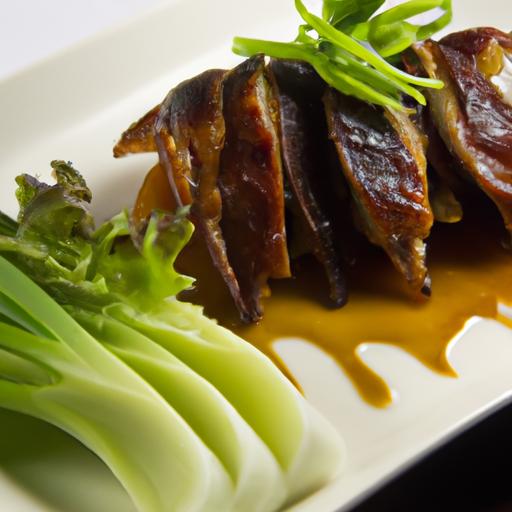

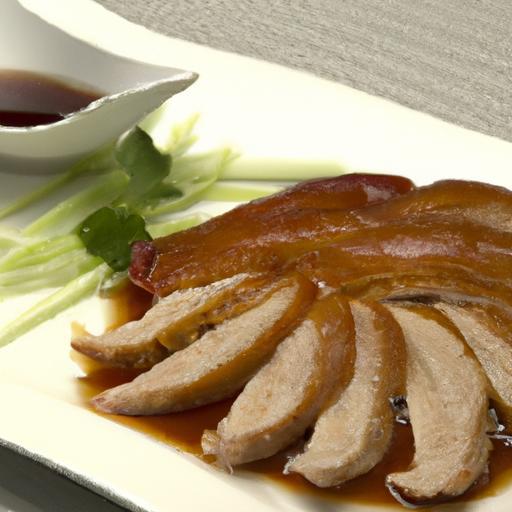
There’s a reason Peking duck has long captivated the palates of food lovers around the world: a crispy, savory skin that crackles wiht each bite, paired with tender, succulent meat. Yet, at the heart of this iconic dish lies a magical ingredient that often steals the show-the hoisin glaze.This rich, glossy sauce, with its perfect balance of sweet, salty, and umami notes, transforms the duck from a simple roasted bird into a culinary masterpiece. In this article, we’ll dive into the art of crafting the perfect hoisin glaze, exploring its history, ingredients, and the delicate technique required to elevate your Peking duck experience from appetizing to unforgettable. Get ready to savor every shimmering drop of tradition and flavor.
Savoring Peking duck unlocks a world of unforgettable textures and nuanced flavors, where the iconic hoisin glaze not only brings sweetness and spice but also delivers a glossy allure that crowns this celebrated dish. Mastering the balance of hoisin sauce is crucial-too much sweetness can overwhelm the palate, while a hint of spice adds the authentic punch that defines this classic Chinese planning. Combining these elements with precision transforms your homemade Peking Duck into a visually stunning and irresistibly delicious masterpiece.
Prep and Cook Time
- preparation: 30 minutes
- Marinating: 12 hours (recommended for depth of flavor)
- Cooking: 1 hour 15 minutes
- Total: Approximately 13 hours 45 minutes
Yield
- Serves 4-6 people
Difficulty Level
- Advanced - requires patience and attention to detail
Ingredients
- 1 whole duck (about 5-6 lbs), cleaned and patted dry
- 3 tbsp honey
- 2 tbsp dark soy sauce
- 1 tbsp Chinese five-spice powder
- 1 tbsp Shaoxing wine or dry sherry
- 2 tbsp hoisin sauce (preferably premium, thick style)
- 3 garlic cloves, minced
- 1 tbsp grated fresh ginger
- 1 tbsp toasted sesame oil
- ½ tsp white pepper
- 2 green onions, finely chopped
- 1 cup water
- 2 tbsp cornstarch mixed with 2 tbsp water (slurry)
- Thin Mandarin pancakes or steamed buns, for serving
- Fresh cucumber and scallions, julienned
Instructions
- prepare the Duck: Pat the duck dry again after overnight air drying if possible, to ensure crisp skin. Prick the skin gently all over with a fork or skewer-be careful not to pierce the meat-to allow rendered fat to escape during cooking.
- Marinate: In a bowl, combine honey, dark soy sauce, Chinese five-spice, Shaoxing wine, minced garlic, grated ginger, sesame oil, and white pepper. Rub evenly over both the skin and cavity of the duck, reserving some marinade for glazing later. Let the duck marinate for at least 12 hours in the refrigerator, uncovered to dry the skin thoroughly.
- Roast the Duck: Preheat the oven to 375°F (190°C). Place the duck on a roasting rack over a baking tray with 1 cup of water in the bottom to catch drippings and keep the meat moist. Roast for 45 minutes,then increase the heat to 425°F (220°C) and roast for another 20-30 minutes,or until the skin is deeply golden and crisp.
- Make the Hoisin Glaze: While the duck roasts, in a small saucepan over medium heat, blend the reserved marinade with 2 tbsp hoisin sauce. Bring to a gentle simmer, then whisk in the cornstarch slurry to thicken. Stir constantly until glossy and luscious-about 3-5 minutes-then remove from heat.
- Glaze the Duck: Brush the thickened hoisin glaze generously over the duck every 5 minutes during the final 10 minutes of roasting. This layering technique creates a beautifully shiny, sticky finish that seals in flavor and adds a visually enticing sheen.
- Rest and Carve: Remove the duck from the oven and rest for 10 minutes before slicing. This allows juices to redistribute, preventing dryness and enhancing tenderness.
- Serving: Serve the sliced Peking Duck with warm Mandarin pancakes (or steamed buns), julienned cucumber, scallions, and extra hoisin glaze on the side.
chef’s notes: Tips for Success
- Ingredient quality: Use a premium hoisin sauce with balanced sweetness and a touch of spice-brands with natural fermenting processes often yield better depth.
- Skin Crisping: For the crispiest skin, air drying the duck uncovered in the fridge overnight is key to removing excess moisture.
- Make-Ahead: The marinade can be prepared up to 1 day in advance. The glaze also stores well refrigerated for 3 days-warm gently before use.
- Spice adjustment: Add a pinch of chili flakes or cayenne pepper to the glaze if more heat is desired without overpowering the sauce’s sweetness.
- Common Issue: If the glaze becomes too thick, thin it with a few teaspoons of water and reheat gently to restore its pourable consistency.
Savoring Peking Duck with Complementary Flavors and Sides
Pairing the hoisin-glazed Peking Duck with bright, crisp flavors heightens its richness. Fresh cucumber and scallions provide refreshing crunch, while warm Mandarin pancakes cradle each slice in a soft, pillowy embrace. For sides, consider sautéed bok choy with garlic or a light aromatic jasmine rice to complete the meal. A subtle drizzle of toasted sesame oil over steamed vegetables can echo the glaze’s nutty notes beautifully.

| nutrient | Per Serving |
|---|---|
| Calories | 520 kcal |
| Protein | 38 g |
| Carbohydrates | 20 g |
| Fat | 32 g |
For an in-depth history and the cultural significance of Peking Duck, explore our comprehensive guide on Peking Duck. For quality hoisin sauces and authentic ingredients, The Spruce Eats offers excellent recommendations and buying tips.
Q&A
Savoring Peking Duck: The Art of Hoisin Glaze Perfection – Q&A
Q1: What makes Peking Duck such an iconic dish in Chinese cuisine?
A1: Peking Duck is more than just a dish; it’s a party of texture, flavor, and tradition. Renowned for its crispy, lacquered skin and tender meat, this dish embodies centuries of culinary artistry. The perfect balance between savory, sweet, and aromatic notes creates a sensory experience that’s both luxurious and deeply comforting.
Q2: Where does hoisin glaze fit into the Peking Duck experience?
A2: Hoisin glaze is the silky, flavorful heartbeat of Peking Duck. It is indeed the sauce that marries the crispy skin and succulent meat with a luscious coating of sweet,tangy,and umami richness. This glaze elevates each bite, sharpening the flavors while adding a glossy, inviting sheen that makes the duck irresistible.
Q3: What are the key ingredients in a classic hoisin glaze?
A3: At its core, hoisin glaze combines hoisin sauce-made from fermented soybeans, garlic, vinegar, and spices-with sweeteners like honey or maltose syrup for that sticky allure. Sometimes, a splash of Chinese five-spice, sesame oil, or even a hint of fresh ginger adds complexity. The art lies in balancing these components so the glaze complements, rather than overpowers, the delicate duck.
Q4: How is the glaze applied during the cooking process?
A4: The glaze is lovingly brushed onto the duck’s skin during the final stages of roasting. This step is crucial; as the sugars caramelize under the heat, they create a glassy, crackling surface. Multiple layers might be applied for depth,allowing the glaze to build up an enticing texture and flavor profile that crisps without burning.Q5: Can the glaze be made ahead or must it be freshly prepared?
A5: While fresh glaze offers the brightest flavors, hoisin glaze is quite forgiving and can be made ahead and gently reheated before use. This allows the ingredients to marry, deepening the flavor while making the cooking process smoother. Just be sure to store it properly-sealed and refrigerated-to preserve its vibrant taste and texture.Q6: What tips can help home cooks nail the perfect hoisin glaze?
A6: First, choose a quality hoisin sauce as your base. Adjust sweetness gradually-too much can burn when roasting. Second, apply the glaze in thin, even layers to prevent sogginess. Lastly, keep a close eye during roasting to catch the moment the glaze caramelizes to a glossy finish without charring. Patience and subtlety are the real secret ingredients.
Q7: Are there any creative twists to the traditional hoisin glaze?
A7: Absolutely! Some chefs add a splash of orange juice or zest for a citrusy brightness, or a touch of chili for heat. Others blend in plum sauce or a sprinkle of toasted sesame seeds for added texture. the key is to respect the balance-enhance rather than overshadow the iconic Peking Duck flavors.
Q8: How should Peking Duck with hoisin glaze be served for the ultimate savoring experience?
A8: Traditionally, peking Duck is served with thin Mandarin pancakes, julienned scallions, and crisp cucumber strips. The hoisin glaze-coated slices of duck are wrapped together with these fresh accompaniments, creating a harmonious bite of crispy, tender, sweet, and fresh. Pair it with a light, aromatic tea to cleanse the palate and celebrate each luscious mouthful.
Through the artful mastery of hoisin glaze, Peking Duck transforms from a simple meal into an unforgettable feast-where every brushstroke of sauce tells the story of a priceless culinary heritage.
The Way Forward
As the final notes of crispy skin meet the rich embrace of hoisin glaze, savoring Peking duck becomes more than a meal-it transforms into a celebration of artistry and tradition. Mastering the delicate balance of sweetness, spice, and umami in the glaze unlocks a symphony of flavors that honors centuries of culinary heritage. Whether you’re a seasoned gourmand or an adventurous novice, embracing the craft behind the perfect hoisin glaze invites you to not just taste history, but to create it on your own plate. So next time you indulge in that succulent slice of Peking duck, remember: every brushstroke of glaze tells a story, and every bite is an invitation to savor the art in its fullest, most flavorful form.