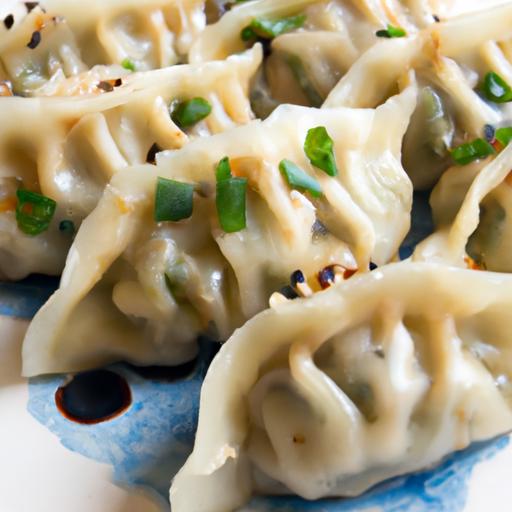

Steaming baskets open too reveal plump, glistening parcels-each one a treasure trove of flavor waiting to be discovered. Savory Asian dumplings are more than just bite-sized delights; they are a culinary journey steeped in tradition and bursting with umami complexity. At the heart of this experience lies soy sauce, the rich, fermented elixir that transforms simple fillings into unforgettable taste sensations. Join us as we explore the art and essence of savory Asian dumplings, tracing their origins, uncovering the role soy sauce plays in their savory symphony, and celebrating the flavors that have captivated palates around the world.
Savory Asian dumplings have long been cherished across cultures, each bite telling tales of rich traditions and time-honored techniques. Central to their allure is the marriage of dumpling and soy sauce-a pairing as nuanced as the diverse regions they hail from. Understanding how to balance bold soy sauce flavors with meticulously crafted fillings unlocks a world of culinary harmony,elevating the simple dumpling into a savory masterpiece. Whether pan-fried, steamed, or boiled, these delightful parcels soak in the depth of perfectly blended soy sauce, creating an irresistible dance of textures and tastes that captures the soul of Asian cuisine.
Prep and Cook Time
- Readiness: 30 minutes
- Cooking: 15 minutes
- Total: 45 minutes
yield
Approximately 30 dumplings (serves 4-6)
difficulty Level
Medium – Great for adventurous home cooks ready to master essential dumpling techniques.
Ingredients
- For the Dough:
- 2 cups all-purpose flour, sifted
- ¾ cup warm water (adjust as needed)
- ½ tsp salt
- for the Filling:
- 250g ground pork (or substitute with ground chicken or tofu)
- 1 cup finely chopped Napa cabbage
- 2 scallions, thinly sliced
- 2 tbsp fresh ginger, minced
- 2 cloves garlic, minced
- 1 tbsp sesame oil
- 1 tbsp soy sauce (for filling)
- ½ tsp white pepper
- 1 tsp Shaoxing wine (optional)
- For the Soy Sauce blend:
- 3 tbsp dark soy sauce (rich and slightly sweet)
- 2 tbsp light soy sauce (salty and radiant)
- 1 tbsp rice vinegar
- 1 tsp toasted sesame oil
- 1 tsp finely chopped fresh chili (optional)
Instructions
- Make the dough: In a large bowl, combine the sifted flour and salt. Slowly add warm water while stirring with chopsticks or a fork until dough starts to form. Knead on a floured surface for about 8 minutes until smooth and elastic. Cover with a damp cloth and let rest for 20 minutes.
- Prepare the filling: In a mixing bowl, combine ground pork, finely chopped Napa cabbage, scallions, ginger, garlic, sesame oil, soy sauce, white pepper, and Shaoxing wine. Stir thoroughly until evenly mixed and sticky; this helps the filling hold together within the wrapper.
- Roll the dough: Divide the dough into small equal portions (about 30). Roll each piece into a thin circle approximately 3 inches in diameter. Keep dough covered to prevent drying.
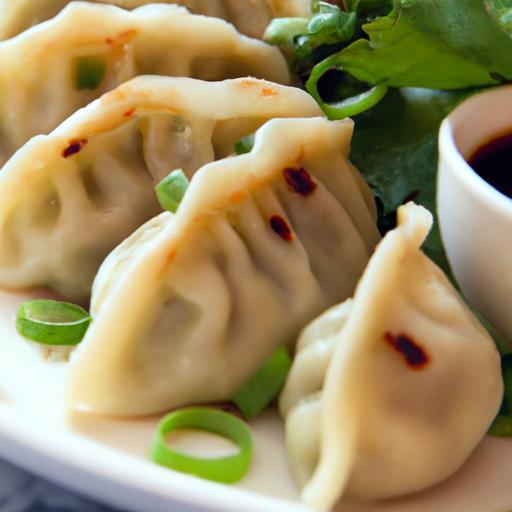
- Fill and shape dumplings: Place a teaspoon of filling in the center of each wrapper. Fold in half, sealing edges with water. Pinch pleats along the rim for a classic crescent shape or simply press firmly together for a half-moon fold.
- Cook: For pan-fried (potstickers),heat 2 tbsp vegetable oil in a non-stick skillet over medium-high heat. Arrange dumplings in a single layer; cook until bottoms are golden brown, about 3-4 minutes. Add ½ cup water, cover immediately, and steam for 7-8 minutes or until water evaporates. For steaming, place dumplings in a lined bamboo steamer and cook over boiling water for 10 minutes. For boiling, drop dumplings in salted boiling water and cook until they float plus 2 minutes.
- Prepare the soy sauce dipping blend: In a small bowl, whisk dark soy sauce, light soy sauce, rice vinegar, toasted sesame oil, and optional chili. Adjust proportions to taste, aiming for a balance of salty, sweet, tangy, and subtly spicy notes.
- Serve immediately: Plate dumplings hot with dipping soy sauce on the side. Garnish with finely sliced scallions or toasted sesame seeds for added texture and color.
Tips for Success
- Dough texture: Resting the dough is crucial-this relaxes gluten and makes rolling easier.
- Filling moisture: Squeeze excess water from cabbage before mixing to prevent soggy dumplings.
- Sealing: Use a finger dipped in water for better sealing and to avoid filling leakage during cooking.
- Make-ahead: Dumplings freeze beautifully. Arrange on a tray to freeze individually before transferring to a sealed bag for up to 1 month.
- Soy sauce blends: Experiment by adding minced garlic or a splash of chili oil to customize your dipping experience.
Serving Suggestions
Present your savory Asian dumplings on a rustic wooden board or in a bamboo steamer lined with a cabbage leaf for customary flair. Accompany with a small dish of the soy sauce dipping blend and fresh garnishes like thinly sliced scallions, toasted sesame seeds, or pickled ginger. For a full meal, serve alongside jasmine rice, sautéed bok choy, or a crisp cucumber salad tossed in rice vinegar. Refreshing jasmine tea or a cold lager pairs beautifully, helping to balance the bold umami flavors.
| Nutritional information (per serving) | Calories | Protein | Carbs | Fat |
|---|---|---|---|---|
| 4-5 Dumplings | 280 kcal | 15 g | 25 g | 12 g |

Explore related recipes like our Steamed Chinese Buns for a continuation of your Asian culinary adventure. For deeper insight into soy sauce varieties worldwide, the SoyInfoCenter offers thorough research and history.
Q&A
Q&A: Savory Asian Dumplings – A Soy sauce Flavor Journey
Q1: What makes Asian dumplings so irresistibly savory?
A1: At the heart of manny Asian dumplings lies the magic of umami, often delivered through soy sauce. This fermented elixir adds depth, a subtle saltiness, and complex savory notes that transform simple fillings into flavor-packed parcels. Combined with ingredients like ginger,garlic,and sesame oil,soy sauce weaves an aromatic tapestry that’s both comforting and exciting.
Q2: how does soy sauce influence the various types of asian dumplings?
A2: Soy sauce is incredibly versatile. In Chinese jiaozi or Japanese gyoza, it often serves as a dipping sauce base, sometiems mixed with vinegar, chili oil, or scallions.In dim sum har gow or steamed buns, soy sauce can be part of the marinade or sauce glazing the dumplings. Its presence enhances the meatiness of pork, the sweetness of shrimp, and even the earthiness of vegetables, making each bite a balanced flavor symphony.
Q3: Can the type of soy sauce change the dumpling experience?
A3: Absolutely! Light soy sauce lends a bright, salty kick that highlights freshness, ideal for dipping sauces and delicate steamed dumplings. Dark soy sauce, thicker and slightly sweet, imparts a rich color and robust flavor perfect for braised dumplings or those served with hearty broths. Tamari and naturally brewed soy sauces introduce their own nuances, offering subtler or gluten-free options that don’t compromise on taste.
Q4: Are soy sauce-flavored dumplings strictly traditional, or is there room for creativity?
A4: While soy sauce is a cornerstone of tradition, it’s also a playground for innovation. Chefs and home cooks experiment by infusing soy sauce with garlic chips, ginger, or star anise before marinating dumpling fillings. some pair it with unexpected ingredients like truffle oil or citrus zest to elevate the tasting journey. The key is balance-honoring the soy sauce’s bold umami while inviting new sensations into the fold.
Q5: How can one best enjoy the full flavor journey of soy sauce in dumplings at home?
A5: Start by selecting quality soy sauce-fresh,well-aged,and suited to your recipe’s needs. When preparing dumplings, marinate fillings briefly to allow soy sauce to meld without overpowering. Craft a dipping sauce by blending soy sauce with aromatic vinegar, chili flakes, or toasted sesame seeds. savor the dumplings while warm to appreciate the melding of textures and soy sauce’s harmonious umami crescendo.
Q6: what cultural significance does soy sauce hold in Asian dumpling traditions?
A6: Soy sauce is not just an ingredient; it’s a symbol of culinary heritage across asia. In many cultures, dumplings represent unity and prosperity, and soy sauce enhances these meanings with its ancient roots in fermentation-a testament to patience, craftsmanship, and communal sharing around the dinner table. Each dip into soy sauce is a nod to centuries-old traditions embraced with every bite.
Embark on your own savory soy sauce flavor journey, and let each dumpling tell a story steeped in rich heritage and mouthwatering delight!
Final thoughts
As our savory journey through the world of Asian dumplings comes to a close, the humble soy sauce emerges not merely as a condiment but as a storyteller-each drop weaving tales of tradition, flavor, and culture. From the delicate folds of Japanese gyoza to the hearty pockets of Chinese jiaozi, soy sauce binds these bites with its rich, umami embrace, inviting us to savor every nuanced note. So next time you dip into a steaming dumpling, remember: you’re not just tasting a sauce, but experiencing centuries of culinary heritage swirling together in perfect harmony. The voyage may end here,but the flavor journey continues with every bite.