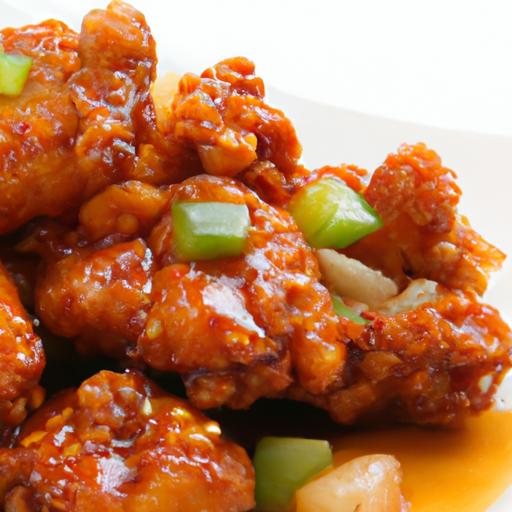

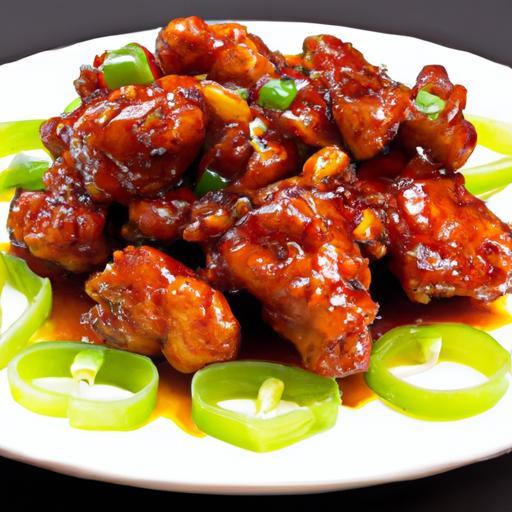
In the bustling world of Chinese-American cuisine, few dishes have achieved the iconic status of General Tso’s Chicken.Crispy, sweet, and tangy, this beloved entrée has found it’s way onto menus from coast to coast, captivating taste buds and sparking curiosity alike. But behind its golden-battered exterior lies a rich tapestry of history, culinary innovation, and cultural exchange. In this article, we will journey through the origins of General Tso’s Chicken, unravel its carefully crafted recipe, and explore the surprising impact it has had on food culture both in the united States and beyond. Whether you’re a devoted fan or a curious newcomer, prepare to discover the story that makes this dish so much more than just delicious.
Origins and Evolution of General Tso’s Chicken in American Cuisine
General Tso’s Chicken has become an iconic dish in American Chinese cuisine, embodying a rich blend of culinary creativity and cultural adaptation. Originating from Hunan province in China, this dish was transformed on american shores into a sweet, tangy, and spicy delight that delights millions.Its journey reflects the evolving tastes of American diners and the ingenuity of chefs bridging Eastern flavors with Western palates. From humble takeout boxes to gourmet restaurant menus, General Tso’s Chicken symbolizes both tradition and innovation, inviting us to explore its multifaceted history and savory appeal.
Crafting the Perfect General Tso’s Chicken at Home: Essential Ingredients and Step-by-Step Preparation
Recreating General Tso’s Chicken at home is not only rewarding but transforms your kitchen into a fragrant haven filled with bold flavors and crispy textures. With simple, high-quality ingredients and straightforward steps, anyone can master this crowd-pleaser. Below, find everything you need to prepare this legendary dish with confidence and flair.
Prep and Cook Time
- Preparation: 20 minutes
- Cook Time: 15 minutes
- Total Time: 35 minutes
Yield
- Serves 4 generous portions
Difficulty Level
- medium – beginner cooks can achieve great results with a little patience
Ingredients
- 1 lb boneless,skinless chicken thighs,cut into 1-inch pieces
- 2 tablespoons soy sauce,divided
- 1 tablespoon Shaoxing wine (or dry sherry)
- 1 teaspoon cornstarch (for chicken marinade)
- 1/2 cup all-purpose flour,sifted
- 1/2 cup cornstarch (for coating)
- Vegetable oil for deep frying
- 3 cloves garlic,finely minced
- 1-inch piece fresh ginger,minced
- 4 dried red chilies (adjust to taste)
- 2 green onions,sliced (separate white and green parts)
- 2 tablespoons rice vinegar
- 1/4 cup hoisin sauce
- 3 tablespoons sugar
- 1 tablespoon chili paste (optional,adjust for heat)
- 1/2 cup chicken broth
- 1 teaspoon sesame oil
Instructions
- Marinate the chicken: In a medium bowl,combine chicken pieces with 1 tablespoon soy sauce,Shaoxing wine,and 1 teaspoon cornstarch. Mix well and let sit for 15 minutes to tenderize and infuse flavor.
- prepare the coating: In a shallow dish, whisk together all-purpose flour and cornstarch. This combination ensures a super crispy texture when fried.
- Heat the oil: Add enough vegetable oil to a wok or deep skillet for deep frying (about 2 inches deep). Heat to 350°F (175°C). Use a thermometer for accuracy to avoid greasy chicken.
- Coat and fry the chicken: Dredge each marinated piece in the flour-cornstarch mix, shaking off excess. Carefully lower the chicken into hot oil in batches. Fry until golden brown and crispy, about 4-5 minutes per batch. Use a slotted spoon to transfer chicken to a paper towel-lined tray to drain excess oil.
- Make the sauce: In a separate pan or wok, heat 1 tablespoon vegetable oil over medium heat. Sauté garlic, ginger, dried red chilies, and the white parts of green onions until aromatic (about 1-2 minutes). avoid browning.
- Combine sauce ingredients: Stir in the remaining 1 tablespoon soy sauce, rice vinegar, hoisin sauce, sugar, chili paste (if using), and chicken broth. Bring to a simmer and cook until slightly thickened, about 3 minutes.
- Thicken the sauce: Mix 1 teaspoon cornstarch with 2 tablespoons water to make a slurry. Slowly add to the simmering sauce while stirring,cooking until the sauce reaches a glossy,clingy consistency.
- Toss chicken in sauce: Add fried chicken pieces into the skillet. Gently toss to coat every piece in the luscious sauce, letting the flavors meld for 1-2 minutes.
- Garnish and serve: Transfer to a serving platter and sprinkle with sliced green onion tops and a drizzle of sesame oil for fragrance. Serve immediately for the best texture and flavor.
tips for success
- For extra crispiness, double-fry the chicken: fry once for 3 minutes, let rest, then fry again for 1-2 minutes.
- Use chicken thighs over breasts for juicier, more flavorful results.
- if fresh chilies are unavailable, substitute with crushed red pepper flakes but reduce quantity to balance heat.
- Make the sauce ahead and warm it up for quick weeknight dinners.
- experiment by adding toasted sesame seeds or swapping hoisin for oyster sauce to subtly shift the flavor.
Serving Suggestions
This vibrant dish shines when paired with fluffy steamed jasmine rice or lightly sautéed snow peas. For a restaurant-style presentation, mound General Tso’s Chicken in the center of your plate, surrounded by bright steamed broccoli florets. Garnish with extra green onion slices and a sprinkle of sesame seeds to add both texture and color contrast. A crisp cucumber salad or pickled radishes on the side add refreshing balance to this rich, satisfying dish.

Nutritional information
| Serving Size | Calories | Protein | Carbs | Fat |
|---|---|---|---|---|
| 1 serving (1/4 recipe) | 480 kcal | 34 g | 38 g | 18 g |
For a deeper dive into authentic Chinese cooking techniques, check out our Authentic Chinese Cooking Techniques guide. Also,for ancient context and cultural insights on General Tso’s chicken,visit smithsonian Magazine.
Q&A
Q&A: Unpacking the Crispy Charm of general Tso’s Chicken
Q1: Who exactly was General Tso, and how did he become linked to a dish?
A1: General tso, or Zuo Zongtang, was a 19th-century Chinese military leader known for his role in the Qing dynasty’s efforts to quell rebellions. Ironically, the spicy-sweet, deep-fried chicken bearing his name has little to do with his life or tastes. The dish was actually created by Chinese chefs in America, problably in the 1970s, as a way to cater to Western palates intrigued by bold flavors. So, the “General” is more of a namesake than a culinary inspiration directly from history.
Q2: What makes General Tso’s Chicken so uniquely delicious?
A2: Its a balancing act of contrasts-crispy, golden-battered chicken enveloped in a glossy sauce that’s simultaneously tangy, sweet, spicy, and umami-rich. Key ingredients usually include soy sauce, garlic, ginger, sugar, rice vinegar, and dried red chilies. The magic lies in achieving that perfect harmony where no flavor overpowers the others, resulting in a mouthwatering burst with each bite.
Q3: How did this dish become a staple in American Chinese cuisine?
A3: General Tso’s Chicken emerged during a wave of Chinese immigration that brought new culinary creativity stateside. Chefs adapted customary Chinese cooking to American tastes, favoring fried dishes with punchy sauces. Its introduction coincided with growing American fascination for Asian foods, and thanks to its addictive flavor and satisfying texture, the dish quickly spread from Chinatown kitchens to mainstream american dining tables.
Q4: Can the original recipe be traced back to any one chef or region?
A4: The exact origin is a bit murky, but many credit Peng Chang-kuei, a Hunanese chef who immigrated to the U.S., with popularizing the dish. He reportedly created his version based on flavors from his Hunan hometown, which is known for its spicy cuisine. Though, no recipe has been definitively tagged as “authentic,” as the dish is a culinary evolution rather than a traditional Chinese classic.
Q5: Is General Tso’s Chicken popular outside the U.S. and Canada?
A5: Yes! While it’s most famously American-Chinese,variations have popped up worldwide-in the UK,Australia,and even parts of asia. In many places, it represents the fusion and adaptability of Chinese cooking abroad. Though, the dish remains relatively unknown in many parts of China itself, where it’s viewed as more of an overseas invention.
Q6: How can home cooks replicate this dish without a deep fryer?
A6: Fear not the lack of a deep fryer! You can pan-fry the battered chicken pieces in a skillet with enough oil to coat them evenly, turning to crisp all sides. The key is to keep the oil hot and work in batches to avoid sogginess. Then toss the crispy chicken in the warm sauce just before serving-crispy meets saucy perfection right at home.
Q7: what cultural impact has General Tso’s Chicken had beyond the plate?
A7: Beyond simply satisfying cravings, General Tso’s Chicken symbolizes the hybrid identity of chinese-American culture-melding tradition with adaptation to new environments. It sparks conversations about authenticity in cuisine, immigrant innovation, and how food can bridge cultures. The dish has also inspired pop culture references, from TV shows to cooking competitions, cementing its place as an iconic culinary ambassador.
Whether you savor it at a bustling Chinatown eatery or whip it up in your kitchen, General Tso’s Chicken offers more than comfort food-it’s a tasty tale of history, innovation, and cultural fusion.
To Conclude
from its mysterious origins in hunan province to its rise as an American-Chinese staple, General Tso’s Chicken tells a story much richer than its crispy, saucy exterior suggests. This dish is more than just a plate of sweet and spicy flavors-it’s a flavorful bridge between cultures, a culinary testament to adaptation and innovation. Whether you’re savoring a homemade batch or enjoying it at your favorite Chinese-American restaurant, General Tso’s Chicken invites you to taste history, tradition, and the ever-evolving dialog of food. So next time you dig in, remember: you’re not just indulging in a beloved dish-you’re part of a story that continues to simmer and inspire.