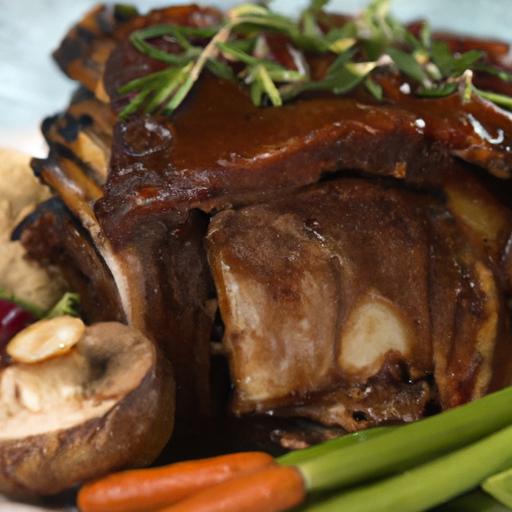

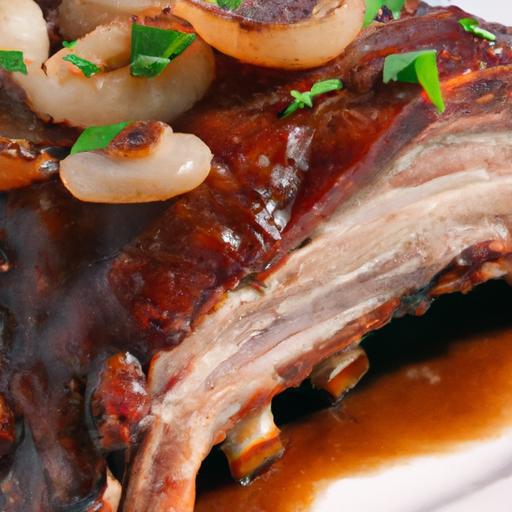
There’s something undeniably majestic about a perfectly slow-roasted prime rib-a centerpiece that commands attention, fills the room with mouthwatering aroma, and promises a dining experience steeped in rich, indulgent flavors. But achieving that tender, juicy masterpiece, crowned with a savory au jus that elevates every bite, can feel like an elusive culinary quest. Enter this ultimate guide: yoru passport to mastering the art of slow-roasted prime rib, where patience meets precision and passion meets palate. Whether you’re hosting a festive feast or simply craving a decadent meal at home, prepare to unlock insider tips, foolproof techniques, and flavor-packed secrets that transform prime rib into an unforgettable celebration of taste.
Choosing the Perfect prime Rib Cut for Slow Roasting
Slow-roasted prime rib is a culinary masterpiece that celebrates the rich, tender flavors of carefully selected beef. When selecting the ideal cut, look for a prime rib roast with good marbling-this intramuscular fat is essential for juicy, flavorful meat that stays tender during long roasting. Opt for a bone-in standing rib roast,ideally from ribs six through twelve. The bone adds natural insulation, enhancing even cooking and boosting flavor.
Seek out USDA Prime or Choice grades for superior quality, and choose a roast weighing between 4 to 7 pounds for optimal slow roasting results. A younger, well-marbled cut will yield a beautifully pink interior and a succulent crust that’s nothing short of spectacular.
Mastering the Art of Seasoning and Preparing Your Prime Rib
preparation is key to elevating your prime rib from a simple roast to a show-stopping centerpiece. Begin by generously seasoning the roast with kosher salt and freshly cracked black pepper. These basics amplify the beef’s natural flavor while creating a savory crust during roasting. For an extra layer of aromatic complexity, incorporate minced garlic, fresh rosemary, and thyme into a paste with softened butter and rub it deeply over the meat’s surface.
For best results,let the seasoned prime rib rest uncovered in the refrigerator overnight. This dry-aging effect intensifies flavor and helps develop a stunning, crusty bark when roasting. Remember to bring the roast to room temperature about an hour before cooking to ensure even heat penetration.
Step-by-Step Techniques for Achieving Tender, Juicy Slow-Roasted Prime Rib
- Preheat your oven to a low temperature of 225°F (107°C) for gentle and uniform cooking.
- Place the prime rib on a rack in a roasting pan, bone side down, to allow air circulation and even heat around the meat.
- Slow roast for about 20 minutes per pound, or until the internal temperature reaches 120°F (49°C) for rare or 130°F (54°C) for medium-rare, using a meat thermometer for precision.
- Remove the roast, tent it loosely with foil, and let it rest 20-30 minutes; the internal temperature will rise, and juices will redistribute, ensuring tenderness and juiciness.
- sear the roast in a scorching 500°F (260°C) oven or under the broiler for 5-10 minutes to form an irresistible crust that contrasts with the tender interior.
Pro Tip: Resist slicing immediately. Resting allows the fibers to relax and results in juicy slices that glisten with deliciousness.
crafting a Rich and Flavorful Au jus to Complement Your Roast
No prime rib experience is complete without a luscious, savory au jus. Start by placing your roasting pan over medium heat. Deglaze with 1 cup of dry red wine or beef broth, scraping up those fond-boosted brown bits. simmer gently with minced shallots, garlic, and fresh thyme until reduced by half, concentrating flavors.
Strain the liquid into a saucepan, whisk in a small knob of cold butter for silkiness, and adjust seasoning with salt and pepper. This au jus pours over the slices,adding moisture and deep savory notes that turn every bite into a decadent celebration.
Prep and Cook Time
- Preparation: 20 minutes + overnight seasoning
- Cooking: 2-3 hours (depending on weight)
- Resting: 30 minutes
Yield
Serves 6-8 people
Difficulty Level
Medium - requires attention to temperature and timing for perfect results
ingredients
- 1 5-pound bone-in prime rib roast (USDA Prime or Choice grade)
- 3 tbsp kosher salt
- 2 tbsp freshly cracked black pepper
- 4 cloves garlic, minced
- 2 tbsp fresh rosemary, finely chopped
- 2 tbsp fresh thyme leaves
- 4 tbsp unsalted butter, softened
- 1 cup dry red wine or beef broth (for au jus)
- 1 small shallot, minced
Instructions
- Prepare the seasoning paste: In a bowl, combine softened butter, minced garlic, rosemary, thyme, salt, and pepper. Mix until well incorporated.
- Season the roast: Pat the prime rib dry. rub the herb butter mixture generously over all surfaces of the roast.
- Refrigerate uncovered: Place the roast on a rack, uncovered, and chill overnight to dry out the surface for a better crust.
- Preheat: Remove the roast from the fridge 1 hour before cooking. Preheat oven to 225°F (107°C).
- Roast low and slow: Position the roast bone-side down on a rack inside a roasting pan. Insert a meat thermometer into the thickest part. Roast until internal temp reaches 120°F (rare) or 130°F (medium-rare).
- Rest the roast: Tent loosely with foil and let rest 20-30 minutes to allow juices to redistribute.
- Finish with a sear: increase oven temp to 500°F (260°C) or turn broiler on. Place roast back inside to crust, about 5-10 minutes. Watch carefully to avoid burning.
- make au jus: Pour drippings into a saucepan over medium heat. add shallots and garlic; sauté briefly until fragrant.
- Deglaze: Pour in red wine or broth, stirring and scraping pan to dissolve brown bits. Simmer until liquid reduces by half.
- Strain and finish: Strain au jus into a serving dish,whisk in cold butter to enrich,season with salt and pepper to taste.
- Serve: Slice prime rib against the grain, drizzle with warm au jus, and enjoy!
Chef’s Notes and Tips for Success
- Bone-in vs. boneless: Bone-in adds flavor and moisture; if using boneless, adjust cooking times slightly.
- Make ahead: The seasoned roast can be prepped a day before; bring to room temp before roasting.
- Thermometer: A reliable meat thermometer is your best friend-avoid guesswork and ensure perfect doneness.
- Resting: Do not skip resting-the juices need time to settle; or else, your roast will lose moisture when sliced.
- Au jus variations: Add a splash of Worcestershire sauce or a few drops of soy sauce to deepen flavor.
Serving Suggestions
Present slices of slow-roasted prime rib on a warm platter garnished with fresh rosemary sprigs and coarse sea salt flakes. Accompany with horseradish cream or a robust mustard for a sharp contrast. Classic sides like garlic mashed potatoes, roasted root vegetables, and a crisp Cabernet Sauvignon make for a truly luxurious dining experience.

| Nutrient | Per Serving |
|---|---|
| Calories | 580 kcal |
| Protein | 45 g |
| Carbohydrates | 3 g |
| Fat | 42 g |
For more expertly curated beef recipes perfect for celebratory dinners, check out our Holiday Roast Beef Collection. To deepen your understanding of beef grades and selection, visit USDA’s official guide on beef grading.
Q&A
Q&A: Ultimate Guide to Slow-Roasted prime Rib with Savory Au Jus
Q1: what makes slow-roasting the prime rib the ultimate cooking method?
A1: Slow-roasting is a game-changer because it allows the prime rib to cook evenly and gently, ensuring a tender, juicy interior with a perfectly caramelized crust. The low and slow approach breaks down connective tissues without drying out the meat, giving you that melt-in-your-mouth texture every carnivore dreams of.
Q2: How do I choose the perfect prime rib for this recipe?
A2: Look for a prime rib roast that’s well-marbled with fat – this is the secret to flavor and juiciness. A bone-in roast is preferred since the bone conducts heat and adds depth to the savory notes. Aim for a roast that’s radiant red with a creamy fat cap for that classic crust.
Q3: What’s the secret blend of seasonings for the roast?
A3: Keep it simple but bold! Coarse salt, cracked black pepper, garlic powder, and fresh rosemary create a fragrant, savory crust. Some chefs add a touch of mustard or horseradish rub for an extra zing, but the essence is to complement the natural beefy flavors without overpowering them.Q4: How do I know when the prime rib is perfectly cooked?
A4: Temperature is your best guide. For medium-rare, pull the roast at 125°F (52°C); it will rest and rise to about 130-135°F (54-57°C). Use a meat thermometer inserted into the thickest part, avoiding the bone. Remember, patience is key-carryover cooking finishes the job.
Q5: What’s the step-by-step for making the savory au jus?
A5: After roasting, pour off excess fat from the pan, leaving those glorious browned bits behind. Add beef broth and a splash of red wine or cognac, then scrape the pan to release all the caramelized flavor. Simmer gently, then strain and season with salt, pepper, and a hint of fresh thyme or garlic for a rich, velvety au jus that’s the perfect partner to your prime rib.
Q6: Can I prepare any parts of this dish in advance?
A6: Absolutely! Season the prime rib and let it sit overnight in the refrigerator to deepen the flavor. The au jus base can also be made a day ahead-just reheat gently before serving. This prep lets you focus on roasting and resting the meat for a stress-free holiday feast.
Q7: Any tips for serving and pairing?
A7: Slice the prime rib just before serving to maintain juiciness.Serve with creamy horseradish sauce, garlicky mashed potatoes, and roasted seasonal vegetables. For wine, a full-bodied red like Cabernet Sauvignon or Malbec beautifully complements the bold flavors.
Q8: Why is resting the prime rib after cooking so important?
A8: Resting allows the juices that rush to the surface during cooking to redistribute back into the meat fibers. Cutting right away means all those precious juices spill onto the cutting board, resulting in a drier roast. A 20-30 minute rest under foil keeps the meat tender and succulent.
Q9: Can this recipe be adapted for a smaller or larger crowd?
A9: Definitely! Adjust roast size proportionally-about 1/2 to 3/4 pound per person is a good rule. Keep roasting times consistent by using a meat thermometer rather than clock watching, as oven temps and roast sizes vary.
Q10: What makes this guide “ultimate” compared to other recipes?
A10: This guide combines foolproof roasting techniques,expert seasoning tips,and the perfect au jus recipe-transforming a simple cut of beef into a show-stopping centerpiece. Whether you’re a beginner or a seasoned cook, these insights ensure consistently spectacular results every time.
Concluding Remarks
as the rich aroma of slow-roasted prime rib lingers in your kitchen and the savory au jus completes each succulent bite, you’ve unlocked more than just a recipe-you’ve embraced a timeless culinary ritual. With patience as your ally and quality ingredients as your foundation, this ultimate guide equips you to serve a roast that’s tender, flavorful, and memorable. Whether it’s a festive gathering or a quiet celebration at home, your slow-roasted prime rib will undoubtedly take center stage, inviting everyone to savor the art of slow-cooked perfection.Now, it’s time to tie on your apron, ignite your oven, and let the magic of slow roasting transform your next meal into an unforgettable feast.